Abstract Fluid Colorful Mesh Stripe Line: A Strategic Design Element for Creative and Professional Use
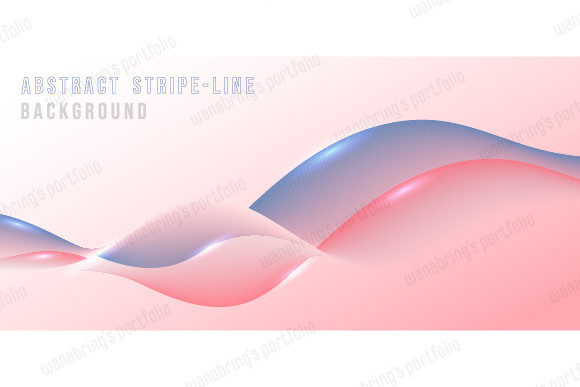
The Abstract Fluid Colorful Mesh Stripe Line is a dynamic and visually engaging design pattern that combines the fluidity of abstract shapes with the structured rhythm of colorful stripes. This vector graphic, available in an original resolution of 580px x 386px, offers a unique blend of modern aesthetics and adaptability, making it a valuable asset for designers, marketers, entrepreneurs, and professionals across various industries.
Elevating Visual Communication Through Abstract Patterns
In today’s fast-paced digital world, visual communication plays a crucial role in capturing attention and conveying messages effectively. The Abstract Fluid Colorful Mesh Stripe Line serves as a versatile background or decorative element that can subtly influence how audiences perceive content. Its overlapping structure creates depth while maintaining clarity, which is essential when designing artwork that includes text or other foreground elements.
When used thoughtfully, this pattern can enhance branding by adding a layer of sophistication to marketing materials, website headers, social media templates, or print collateral. For instance, a startup launching a new app might use the mesh stripe line as a background in its promotional assets to symbolize innovation and connectivity—key themes in tech-based ventures.
Strategic Applications Across Industries
- Marketing & Advertising: As a subtle backdrop for banners, flyers, or presentations, it can evoke a sense of creativity and energy without overshadowing key messaging.
- Web Design: Ideal for section dividers or hero backgrounds where a balance between minimalism and visual interest is required.
- Graphic Design: Can be integrated into logos, icons, or infographics to add movement and color contrast.
- Education & Publishing: Used in slide decks, e-books, or blog headers to create a professional yet artistic look.
- Small Business Branding: Offers a customizable base for business cards, packaging, or product labels that stand out in competitive markets.
Planning for Purpose: When and How to Use It
Before incorporating the Abstract Fluid Colorful Mesh Stripe Line into your projects, consider the context and objectives. Is the goal to inspire creativity? To build brand recognition? Or to provide a clean yet vibrant background for copy?
This pattern excels in environments where you want to maintain professionalism but also inject a touch of artistry. However, it's important to avoid overuse or applying it in scenarios where simplicity is more effective. For example, using it in a financial report may distract from data clarity, whereas it could beautifully accentuate a creative agency’s portfolio site.
Key Considerations Before Implementation
- Color Harmony: Ensure the colors in the mesh align with your brand palette or the emotional tone of your project. Adjustments are possible post-purchase, so choose wisely.
- Layering Techniques: Test how the pattern interacts with text and images. Overlapping lines can either frame or obscure content depending on placement and opacity.
- Resolution & Format: The provided ZIP file includes both EPS10 editable and JPEG formats, allowing flexibility in editing and application. Verify compatibility with your design tools before finalizing layouts.
- Target Audience: Think about who will see the design. Younger audiences may appreciate bold, fluid patterns; more conservative demographics might prefer subtler applications.
Intentional Design: Making Better Decisions with Decorative Elements
Decorative elements like the Abstract Fluid Colorful Mesh Stripe Line should never be added haphazardly. Instead, they should serve a strategic purpose. One practical approach is to treat the pattern as a “visual anchor” that supports the main message rather than competing with it.
For example, a blogger specializing in wellness might use the mesh stripe line behind motivational quotes to symbolize the flow of energy and vitality. In this case, the pattern becomes part of the storytelling rather than just decoration.
Practical Examples of Intentional Use
- A freelance designer could apply the mesh pattern as a watermark-style overlay on client proposals to reinforce their creative identity without interfering with readability.
- An educator might include it in PowerPoint slides for a design theory class to illustrate concepts of abstraction and composition.
- Entrepreneurs launching a new product can integrate the pattern into landing page backgrounds to create a memorable first impression while keeping the focus on call-to-action buttons.
Risks of Random Application and Mitigation Strategies
One common pitfall is using such intricate patterns without considering the overall design hierarchy. If not balanced properly, the Abstract Fluid Colorful Mesh Stripe Line can overwhelm the viewer, reduce legibility, or dilute the intended message.
To mitigate these risks, start by defining clear goals for each design project. Ask yourself:
- What emotions do I want to evoke?
- How much visual complexity can my audience handle?
- Is this pattern enhancing or hindering the user experience?
Testing different versions—such as adjusting opacity, flipping the pattern orientation, or using only portions of the design—can help determine the optimal balance for your specific needs.
Long-Term Value and Adaptability
The strength of the Abstract Fluid Colorful Mesh Stripe Line lies in its adaptability. Because it is a vector graphic, you can scale it without loss of quality, making it suitable for everything from mobile app splash screens to large-format posters. Additionally, the ability to modify colors and shapes post-purchase allows for long-term reuse across evolving campaigns or branding strategies.
Imagine a small business owner who uses this pattern in initial branding for a product launch. Later, when rebranding to appeal to a different demographic, they can tweak the hues and layout to reflect a new identity—all while retaining the core design language that helped establish their original brand.
Maximizing Long-Term Results
- Build a Design Library: Save variations of the pattern for future projects to maintain consistency and save time.
- Align with Seasonal Campaigns: Change the color scheme to match holidays, seasons, or event themes while keeping the same structural form.
- Use as a Foundation: Let the pattern guide your design choices rather than dictate them. It can help you make decisions about spacing, contrast, and focal points.
Operational Integration and Creative Workflow
For creators and teams managing multiple design outputs, having a reusable and high-quality vector graphic like the Abstract Fluid Colorful Mesh Stripe Line can streamline workflows. Incorporate it into templates for consistent branding, or let it spark creative brainstorming sessions by offering a fresh visual framework.
Marketers might find value in using the pattern during A/B testing phases to assess how different visual styles affect engagement rates. Educators can use it as a teaching tool to demonstrate how abstract design contributes to user experience and visual storytelling.
Decision-Making Guidance for Designers
- Start Simple: Apply the pattern in one area of a design before expanding. Observe how it affects the perception of the space.
- Seek Feedback: Share mockups with stakeholders or target users early to gauge effectiveness and adjust accordingly.
- Stay Consistent: If the pattern becomes a signature element of your brand or team, ensure it's applied uniformly across all platforms.
Conclusion: A Tool for Thoughtful Creativity
The Abstract Fluid Colorful Mesh Stripe Line is more than just a decorative pattern—it’s a design tool that, when used intentionally, can support strategic outcomes. Whether you're refining a brand identity, crafting compelling visuals for a presentation, or enhancing the aesthetic of digital content, this pattern offers a foundation for thoughtful creativity.
By understanding when and how to apply it within your broader design strategy, you can leverage its potential to improve communication, foster brand recognition, and elevate user experiences. Avoid using it randomly, and instead, let it become part of a well-planned visual language that aligns with your goals and values.