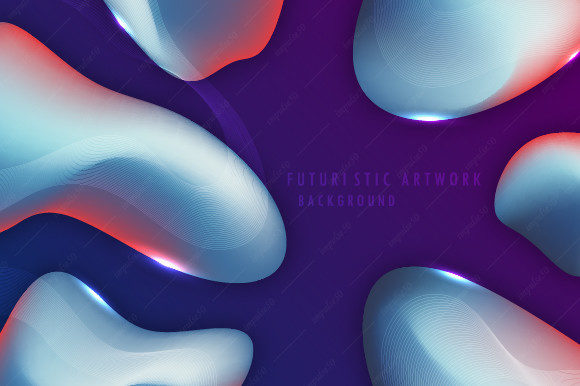
Abstract Futuristic Shape Design Artwork: A Strategic Tool for Modern Creativity and Branding
Abstract Futuristic Shape Design Artwork is more than just a visual trend—it’s a versatile design element that can be strategically integrated into branding, digital content, print media, and creative projects. This type of artwork combines geometric abstraction with futuristic aesthetics to create visuals that are both dynamic and adaptable. When crafted in pure vector format, as is the case with high-resolution illustrations (300 dpi), it offers unmatched flexibility for users who want to adjust size, shape, and color according to their specific style or project needs.
Why Abstract Futuristic Shape Design Artwork Matters in Today's Visual Landscape
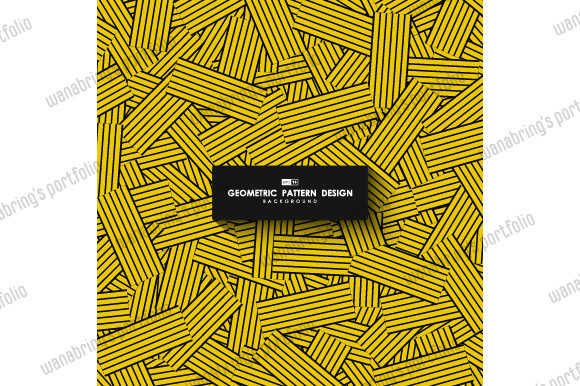
In an era where digital presence defines brand identity and creative output is often judged by its visual impact, having access to unique yet scalable design elements is crucial. Abstract Futuristic Shape Design Artwork allows designers and entrepreneurs to maintain a modern, forward-thinking aesthetic across platforms. The overlapping mesh lines and stripe backgrounds typical of this style add depth and movement, making it ideal for environments that require a balance between innovation and clarity.
These designs are especially valuable for professionals who need to communicate complex ideas through imagery—such as tech startups, futurists, educational institutions, and creative agencies. By using abstract shapes that suggest motion, evolution, and technology, you can subtly reinforce your message without relying on literal representation.
Strategic Use Cases Across Industries
Consider how Abstract Futuristic Shape Design Artwork could enhance different aspects of your business or personal brand:
- Branding: Incorporate these designs into logos, brochures, or website headers to establish a futuristic tone.
- Digital Marketing: Use them in social media posts, email templates, or landing pages to stand out visually and align with themes like innovation or progress.
- Interior Design: Print large-scale versions for office walls or retail spaces to create a cutting-edge ambiance.
- Product Packaging: Add a layer of sophistication and uniqueness to packaging that reflects technological advancement or avant-garde thinking.
The key is to use these visuals not just for decoration, but as part of a larger narrative. For instance, a tech company launching a new app might pair a sleek, minimalistic interface with an Abstract Futuristic Shape Design Artwork background featuring mesh overlays and subtle gradients. This creates a cohesive look that speaks directly to the target audience’s expectations of what "modern" feels like.
Planning Thoughtful Integration of Abstract Futuristic Shape Design Artwork
Before incorporating Abstract Futuristic Shape Design Artwork into your projects, it’s essential to define its role. Will it serve as a background? A focal point? A subtle accent? Each decision should align with your overall visual strategy and messaging goals. Here’s how to approach it thoughtfully:
- Define the Purpose: Ask yourself whether the artwork will support storytelling, evoke emotion, or simply elevate the design quality. Purpose-driven use ensures relevance.
- Match the Tone: Choose colors, shapes, and line styles that reflect your brand personality. Bold reds and sharp angles may work for a startup, while softer blues and smooth curves could suit a wellness brand.
- Test Scalability: Since these designs are vector-based, they can scale seamlessly from mobile screens to billboards. Confirm that the chosen artwork maintains its clarity and impact at all sizes.
- Ensure Versatility: Opt for files that allow customization—like EPS10 adjustable formats. This gives you the freedom to adapt the design for different contexts, from presentations to merchandise.
- You’re targeting a younger, tech-savvy demographic.
- Your product or service embodies innovation, creativity, or transformation.
- You need a design element that adapts well to various resolutions and formats.
- You’re looking to differentiate your brand from competitors in saturated markets.
- The context requires a highly realistic or traditional visual language.
- Your audience is more conservative or prefers understated aesthetics.
- The artwork would clash with other design elements in your layout.
- There’s no clear alignment with your brand’s mission or message.
- Color Psychology: Select palettes that resonate with your brand values. Blues and purples often convey trust and innovation, whereas neon hues can represent energy and disruption.
- Layering Techniques: Mesh lines and stripe patterns can be layered beneath text or icons to create a sense of depth and dynamism. Ensure readability remains intact by balancing contrast and transparency.
- Consistency: If you plan to reuse the design across multiple touchpoints, maintain consistency in its application to build brand recognition over time.
- Startup Pitch Decks: A clean white slide with a single bold abstract shape in the background can draw attention to key points while maintaining a futuristic edge.
- Educational Content: Online courses about emerging technologies often use this style of artwork to keep learners engaged and visually stimulated.
- Corporate Reports: These designs help break up dense data and introduce a sense of movement and possibility in otherwise static documents.
- Merchandise and Apparel: Fashion brands and lifestyle companies have embraced this style for t-shirts, hoodies, and accessories to appeal to trend-conscious consumers.
- Start Small: Test the artwork on one platform or project before scaling it up. This helps identify potential issues early and provides feedback for refinement.
- Seek Feedback: Share variations of the design with stakeholders or target users to gauge which options resonate best.
- Balance with Simplicity: Let the artwork support the content rather than overshadow it. Use negative space wisely to avoid clutter.
- Stay Flexible: Take advantage of the editable EPS10 format to tweak the design as needed. Don’t hesitate to modify it to better suit the context.
- Website headers
- Social media banners
- Printed marketing materials
- Email newsletter templates
- Product packaging prototypes
For example, if you're a marketer preparing a campaign around AI innovation, selecting an artwork with intersecting mesh lines and a gradient stripe pattern can symbolize connectivity and future possibilities. This strategic choice helps in positioning your brand as a leader in the field without needing to say it outright.
When to Use It—and When Not To
While Abstract Futuristic Shape Design Artwork is powerful, it’s not always the best fit. Overuse or misuse can dilute its effectiveness. Here are some scenarios where it shines—and where it should be avoided:
Use it when:
Avoid it when:
One common mistake is applying these designs randomly without considering their symbolic weight or the message they convey. A haphazardly placed abstract illustration might confuse rather than clarify your intent. Always evaluate whether the design supports the goal at hand.
Creating Impact Through Intentional Design Choices
Abstract Futuristic Shape Design Artwork is most effective when used intentionally. This means understanding the emotional and cognitive responses it can elicit. For instance, curved, flowing shapes might suggest organic growth and sustainability, while rigid, angular forms can imply structure, precision, and technology.
When planning your use of such artwork, consider the following:
Freelancers and small business owners, in particular, benefit from this approach. With ZIP files containing both EPS10 editable vectors and JPEG originals, you can tailor the artwork to fit evolving client needs or project requirements. Whether you're designing a website mockup or creating a promotional poster, the ability to customize the design enhances your productivity and creative control.
Real-World Applications and Creative Examples
Let’s explore a few practical examples where Abstract Futuristic Shape Design Artwork has been used effectively:
Each of these applications shows how the right design choices can influence perception and engagement. The absence of watermarks in purchased files also makes it suitable for commercial use, ensuring your final output looks professional and polished.
Aligning with Long-Term Goals and Audience Expectations
To ensure long-term value, integrate Abstract Futuristic Shape Design Artwork into your design system with a focus on longevity and adaptability. Rather than chasing trends, choose elements that can evolve alongside your brand. A well-designed abstract piece can remain relevant for years, especially when updated through color changes or repositioning within layouts.
Moreover, consider how this artwork aligns with your audience’s expectations. If you’re in the education sector, for example, your students or clients might appreciate a fresh, modern aesthetic that mirrors the evolving nature of knowledge and learning. In contrast, a law firm might find this style too unconventional unless carefully balanced with more formal elements.
Think about the lifecycle of your design. Will the artwork still feel current next quarter, next year, or even in five years? Choosing designs with universal appeal and structural integrity ensures that your efforts today don’t become outdated tomorrow.
Risks of Using Abstract Futuristic Shape Design Artwork Without Strategy
Like any design tool, Abstract Futuristic Shape Design Artwork carries risks when applied without clear direction. One major pitfall is overcomplication—using too many overlapping shapes or intricate patterns can overwhelm the viewer and reduce the effectiveness of your message.
Another risk is misalignment with brand identity. If your brand is known for simplicity and elegance, a busy abstract design might undermine that perception. Always test the artwork in real-world scenarios before committing to it for large-scale use.
Finally, there’s the danger of inconsistency. If you apply the design sporadically across your platforms, it may fail to create a unified brand experience. Instead, develop a usage guideline to ensure it complements your existing visual assets and reinforces your core message.
Decision-Making Guidance for Designers and Marketers
Here’s how to make smart decisions when choosing and implementing Abstract Futuristic Shape Design Artwork:
Entrepreneurs and marketers should also consider the technical advantages. Vector-based artwork means you can edit every detail—from individual lines to color gradients—without losing quality. This level of control is invaluable when tailoring visuals for different campaigns, audiences, or platforms.
Maximizing Value Through Customization and Reusability
One of the greatest strengths of Abstract Futuristic Shape Design Artwork is its reusability. Because it’s built in pure vector format, you can repurpose it across various mediums. For instance, a single design file can be adapted for:
This not only saves time and resources but also ensures a consistent brand experience. Educators can use these visuals to enhance digital learning modules, while bloggers and publishers can integrate them into article layouts to increase visual appeal and reader retention.
Additionally, since the artwork comes without a watermark, you can confidently use it in client-facing deliverables or commercial products. This is particularly important for freelancers and small businesses who must maintain a high standard of professionalism in all outputs.
Final Thoughts on Strategic Application
Abstract Futuristic Shape Design Artwork is a powerful asset when used with intention and clarity. Its adaptability, scalability, and modern appeal make it a valuable component of any designer’s toolkit. However, its success depends on thoughtful integration into a broader design and communication strategy.
By evaluating your goals, audience preferences, and brand identity before implementation, you can leverage this design style to create impactful, memorable visuals. Remember, the aim isn't to follow trends blindly, but to use them to enhance your message and connect with your audience on a deeper level.
Whether you’re an entrepreneur launching a new venture, a marketer crafting a compelling campaign, or a creative seeking inspiration, Abstract Futuristic Shape Design Artwork offers a unique opportunity to blend form and function in your visual storytelling.