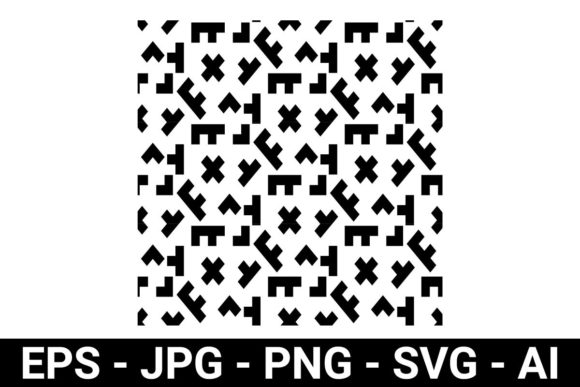
Block Seamless Pattern for Background: A Modern Design Essential
In the ever-evolving world of digital and print design, the right background can make all the difference. One such versatile option is the Block Seamless Pattern for Background, a geometric and stylish design element that offers both aesthetic appeal and functional benefits. These patterns are crafted with precision to repeat seamlessly, making them ideal for wallpapers, fabric prints, tile designs, and more. Whether you're an interior decorator, graphic designer, fashion enthusiast, or business owner looking to enhance your branding, understanding the value and application of block seamless patterns is essential.
Understanding Block Seamless Patterns
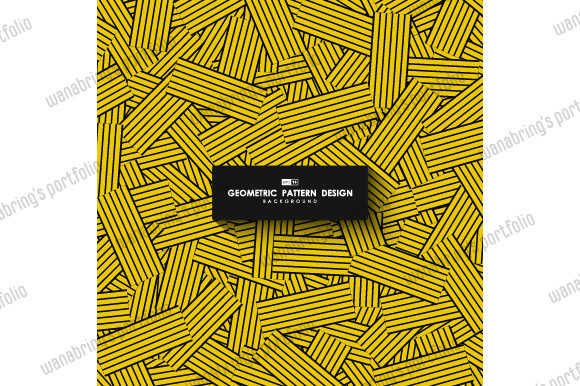
A block seamless pattern refers to a repeating graphic motif composed of distinct shapes, often geometric in nature. The term "seamless" indicates that the pattern tiles without visible edges or breaks, creating a continuous visual flow. These patterns typically feature elements like squares, rectangles, triangles, and abstract forms arranged symmetrically or asymmetrically to form a cohesive design.
Such patterns are commonly found in modern and minimalist aesthetics, where simplicity and symmetry play a significant role. The block seamless pattern perfect for background is particularly popular due to its clean structure and adaptability. It works well in monochrome schemes as well as vibrant color palettes, depending on the intended use and context.
Design Characteristics
- Geometrical Shapes: The core of these patterns lies in their structured and angular components.
- Memphis Style Influence: Many block seamless patterns incorporate the bold, playful elements typical of Memphis design.
- Repetition and Symmetry: Designed to repeat flawlessly, they ensure consistency across large surfaces.
- Isolated Elements: Often include individual motifs that can be used independently or combined for larger compositions.
- Modern and Trendy: Their contemporary feel makes them suitable for current design trends.
Advantages of Using Block Seamless Patterns
Choosing a block seamless pattern for your background isn’t just about style—it's also about functionality and versatility. Here are some key advantages:
Visual Consistency
The primary benefit of a seamless pattern is its ability to cover a surface without interruption. This is especially useful when designing large-scale projects such as website backgrounds, banners, or room backdrops. With a block seamless pattern for background, you can achieve a uniform look that enhances the overall design without distracting from the main content.
Adaptability Across Media
These patterns come in multiple file formats—AI, EPS, SVG, JPG, PNG—making them suitable for both digital and print applications. For example, vector formats like AI and EPS allow for scalable, high-resolution outputs ideal for fabric printing or signage, while raster formats like JPG and PNG are best suited for web graphics and social media visuals.
Time and Cost Efficiency
Using a pre-designed block seamless pattern perfect for background saves time and resources compared to creating one from scratch. Designers and creators can easily integrate these patterns into their workflow, reducing the need for complex tiling or custom illustrations. This efficiency is particularly beneficial for businesses needing consistent branding materials or educators preparing visual aids for students.
Endless Customization Options
Thanks to their modular nature, block seamless patterns can be customized extensively. You can change colors, adjust spacing between blocks, combine multiple patterns, or overlay additional elements to create unique designs tailored to specific needs. This flexibility supports creative experimentation while maintaining structural integrity.
Use Cases and Real-World Applications
The block seamless pattern has found its place in various industries and personal projects. Its broad applicability is a testament to its design strength and adaptability.
Interior and Exterior Decor
For decorators and homeowners, these patterns serve as excellent backdrop options. They can be applied to walls, ceilings, or furniture as wallpaper or paint stencils. The modern and abstract nature of the block seamless pattern for background complements both minimalistic and eclectic interiors. When used in exterior decor, such as outdoor seating areas or storefronts, they add a touch of sophistication and creativity.
Graphic and Web Design
Graphic designers often utilize block seamless patterns to add depth and interest to websites, mobile apps, and digital marketing materials. The geometric and trendy nature of these patterns allows them to stand out without overwhelming the user interface. As a subtle yet effective background, they help maintain visual hierarchy by not competing with text or other focal points.
Fashion and Textile Industries
In the fashion world, block seamless patterns are frequently used in fabric prints. From clothing to accessories, these patterns offer a decorative yet wearable design. Their symmetrical layout ensures even distribution across garments, preventing visual distortion. The block seamless pattern perfect for background is particularly favored in wrapping fabrics, tile-inspired apparel, and modern home textiles.
Print and Packaging Design
Businesses looking to innovate their packaging or product designs find these patterns invaluable. A decorative and stylish background elevates the perceived value of products, especially in fashion, cosmetics, and lifestyle sectors. Additionally, using a block seamless pattern for background ensures that no part of the design feels incomplete or cut off, which is crucial in physical packaging where every inch matters.
Education and Presentation Materials
Educators and presenters can leverage block seamless patterns to create engaging slides, posters, or classroom decorations. The abstract and illustrative qualities of these patterns can subtly reinforce themes related to technology, art, or science. By using a simple, white, or black variation, they can remain unobtrusive while still contributing to the overall professionalism of the material.
Considerations When Choosing a Block Seamless Pattern
While block seamless patterns are incredibly versatile, there are several factors to consider before integrating them into your project.
Scale and Density
Patterns can vary in how tightly packed or spaced out the blocks are. A dense arrangement might work better for close-up designs, such as textile prints, whereas a looser layout may suit larger displays like murals or website headers. Always test different scales to see what fits best within your design framework.
Color Harmony
Since these patterns can be monochrome or multicolored, it’s important to choose hues that complement your existing color scheme. If you're using a block seamless pattern for background, ensure it doesn't clash with foreground elements. Subtle gradients or single-color variations can provide a sophisticated base without drawing attention away from key content.
Pattern Orientation
Some block patterns are directional, meaning they’re designed to be viewed in a specific orientation. Others are non-directional and can be rotated freely. Understanding this distinction helps avoid inconsistencies when applying the pattern to curved or irregular surfaces.
Resolution and Format
Always verify the resolution and file format suitability for your project. High-resolution PNGs or JPEGs are necessary for print materials, while SVG files are preferred for digital scalability. Vector formats like AI and EPS offer the most flexibility for editing and resizing without loss of quality.
Contextual Relevance
Not all block seamless patterns are appropriate for every context. Consider the target audience and purpose of the design. For instance, a memphis-style block pattern might be too bold for corporate branding but could be perfect for a boutique or artistic portfolio.
Trends and Innovations in Block Pattern Design
Design trends evolve rapidly, and the block seamless pattern perfect for background continues to adapt alongside them. Recent years have seen a surge in abstract and decorative styles that push the boundaries of traditional geometric layouts.
Abstract Interpretations
Modern designers are reimagining block patterns with abstract twists. Instead of rigid shapes, some versions feature softened edges, overlapping forms, or irregular spacing. These innovations maintain the essence of the pattern while adding a sense of movement and fluidity.
Minimalist and Monochrome Revival
With the rise of minimalist aesthetics, many users prefer monochrome block patterns. These simple yet elegant designs emphasize contrast and clarity, making them highly effective in professional environments or high-end fashion contexts.
Combination with Other Motifs
Designers are increasingly combining block patterns with organic shapes, floral elements, or typographic features. This hybrid approach results in a unique blend of structure and softness, expanding the usability of the block seamless pattern for background across diverse niches.
Dynamic Use in Digital Spaces
On the web, these patterns are being animated or layered with interactive elements to create immersive user experiences. While the static version remains popular, dynamic adaptations open new possibilities for engagement and storytelling through design.
How to Implement a Block Seamless Pattern
Implementing a block seamless pattern effectively depends on the platform and medium. Below are practical steps for common applications:
Website Backgrounds
- Select a low-opacity version of the pattern to avoid overwhelming text.
- Ensure the pattern repeats correctly using CSS properties like `background-repeat: repeat`.
- Test the pattern on various screen sizes and resolutions to confirm compatibility.
Fabric Printing
- Choose a pattern with a tight repeat for even coverage on fabric.
- Adjust colors to match dyes and printing techniques.
- Work with a printer to scale the pattern appropriately for the desired garment or item.
Wallpaper and Room Decoration
- Determine the wall dimensions and calculate the required number of tiles.
- Opt for high-resolution PNG or JPG formats for crisp printing.
- Apply the pattern consistently to avoid misalignment or gaps.
Graphic Illustration Projects
- Use vector formats (AI, EPS, SVG) for easy integration into illustration software.
- Layer the pattern beneath text or images to add texture without obscuring details.
- Experiment with overlays and blending modes to achieve unique effects.
Tools and Resources for Working with Block Patterns
To work efficiently with block seamless patterns, here are some tools and platforms recommended for professionals and hobbyists alike:
- Adobe Illustrator: Ideal for editing and customizing vector-based block patterns.
- Procreate or Photoshop: Useful for adding textures, gradients, or hand-drawn elements to raster versions.
- Online Tiling Tools: Help test how a pattern will repeat before final implementation.
- Design Marketplaces: Platforms like Creative Market, Shutterstock, or Adobe Stock offer curated collections of block seamless pattern ZIP folders containing multiple file types for ease of use.
ZIP Folder Contents Overview
Most block seamless pattern ZIP folders include the following file types:
- AI (Adobe Illustrator): Editable vector format for detailed customization.
- EPS (Encapsulated PostScript): Compatible with a wide range of design software and printers.
- SVG (Scalable Vector Graphics): Perfect for web-based uses and animations.
- JPG & PNG: Raster image formats for print and digital media with transparent backgrounds available in PNG.
Final Thoughts
Whether you're crafting a brand identity, designing a website, or decorating a living space, the block seamless pattern for background offers a reliable and stylish solution. Its combination of geometric precision, trendy aesthetics, and seamless repetition makes it a go-to choice for professionals and creatives. As long-form content continues to gain importance in SEO strategies, understanding and leveraging such design elements can significantly enhance your visual storytelling and user experience efforts.