Leopard Frame: A Versatile Design Element for Creative Projects
Designers, artists, and creators often seek unique visual elements to enhance their projects. Among the many options available, Leopard Frame stands out as a distinctive and functional design asset that can be integrated into various creative workflows. With its natural aesthetic and adaptable structure, Leopard Frame is not only visually appealing but also highly practical across different mediums such as digital art, print materials, product packaging, and educational resources.
The Essence of Leopard Frame
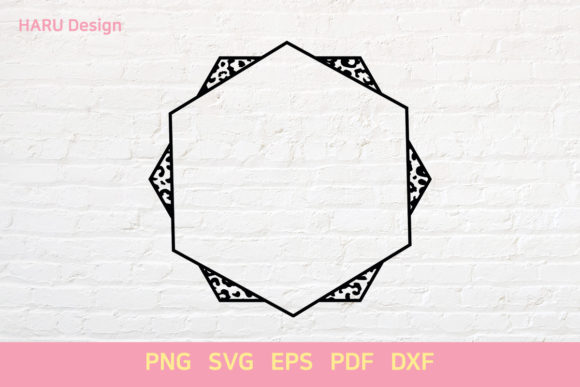
Leopard Frame refers to a stylized border or outline inspired by the iconic spots of a leopard. It combines organic patterns with clean lines to create a frame that complements both modern and traditional designs. The pattern’s origins are rooted in nature, where the leopard’s coat serves as a camouflage mechanism in its environment. In design, this same concept is leveraged to add texture, contrast, and visual interest without overwhelming the composition.
What makes Leopard Frame unique is its ability to adapt. Whether it's used in branding, web design, or physical crafts, the motif remains versatile enough to suit a wide range of applications. Its recognizable yet subtle appearance allows it to integrate seamlessly into various styles—from minimalist to bold and intricate.
Technical Specifications and File Formats
To ensure maximum usability, Leopard Frame is typically provided in multiple file formats. These include:
- SVG (Scalable Vector Graphics): Ideal for digital use, SVG files maintain crisp edges at any size, making them perfect for websites, mobile apps, and vector editing software like Adobe Illustrator or Inkscape.
- EPS (Encapsulated PostScript): A widely accepted format among print professionals, EPS supports high-resolution output and is compatible with most design tools, including CorelDRAW and Adobe Photoshop.
- PNG (Portable Network Graphics): PNG files offer transparent backgrounds and lossless compression, making them suitable for logos, icons, and layered designs in digital platforms.
- PDF (Portable Document Format): Useful for sharing and printing, PDF ensures consistent layout and quality across devices and operating systems.
- DXF (Drawing Exchange Format): Preferred by engineers and hobbyists using CAD software, DXF files allow for precise manipulation and integration into technical drawings or laser-cutting projects.
All these files are crafted on a standardized 12in×12in artboard size, ensuring compatibility with common design templates and manufacturing processes. This uniformity simplifies workflow for users who need to apply Leopard Frame across different platforms or production methods.
Practical Applications of Leopard Frame
Leopard Frame finds relevance in numerous real-world scenarios due to its striking visual identity and flexibility. Below are some notable examples:
Graphic Design and Branding
In the world of graphic design, Leopard Frame can serve as a background element or an accent to highlight key sections of a layout. Its textured appearance adds depth to flat designs, while its symmetry and repetition make it ideal for creating borders around logos, infographics, or promotional materials. For instance, a fashion brand might incorporate Leopard Frame into their website banners or social media assets to evoke a sense of wild elegance and sophistication.
Digital Art and Illustration
Artists working in digital illustration often look for ways to blend realism with stylistic flair. Leopard Frame offers a ready-made solution that can be customized with colors, gradients, or even embedded illustrations. By layering Leopard Frame over a canvas, illustrators can simulate a natural habitat or create thematic coherence in their work. The SVG format especially empowers artists to tweak individual elements of the frame without losing clarity or detail.
Crafts and DIY Projects
For hobbyists and educators involved in crafting, Leopard Frame provides a decorative touch that can elevate simple projects. Whether it's framing handmade greeting cards, designing custom jewelry boxes, or enhancing scrapbook layouts, the Leopard Frame motif brings an eye-catching edge. Using DXF files, makers can import the design into CNC machines or laser cutters to produce intricate wooden or acrylic frames for display purposes.
Product Packaging and Merchandise
Retailers and business owners looking to stand out in competitive markets may find Leopard Frame an excellent addition to their product packaging. Its bold yet elegant look can be printed on gift boxes, t-shirts, mugs, and more. When applied correctly, Leopard Frame helps reinforce brand identity and attract attention on store shelves or online marketplaces. The availability of high-quality EPS and PDF files ensures professional-grade prints every time.
Advantages of Incorporating Leopard Frame
Beyond its aesthetic appeal, Leopard Frame offers several advantages that make it a valuable resource in diverse creative fields:
- Visual Cohesion: The repeating spot pattern of Leopard Frame creates a unified theme within a design, helping tie together disparate elements into a cohesive whole.
- Brand Recognition: When used consistently, Leopard Frame becomes a signature element of a brand, aiding in recall and recognition across multiple touchpoints.
- Adaptability: Thanks to its availability in various file types, Leopard Frame can be scaled, edited, and applied across digital and physical mediums without compromising quality.
- Professional Quality: High-resolution outputs from EPS and PDF files mean that Leopard Frame can be used in commercial settings without appearing pixelated or unrefined.
- Time Efficiency: Rather than designing a custom pattern from scratch, creators can utilize Leopard Frame to speed up their workflow while maintaining originality and style.
Considerations for Effective Use
While Leopard Frame is versatile, thoughtful application is key to achieving the best results. Here are some considerations to keep in mind:
- Contrast: Ensure the Leopard Frame color contrasts well with the background to maintain visibility and readability.
- Scale: Avoid using the frame in overly large or small sizes unless intentional, as this can affect the overall balance of the design.
- Context: Match the tone of the Leopard Frame to the project's theme. A playful version may suit children's products, while a sleeker variant works better for luxury brands.
- File Compatibility: Always verify that the chosen file format suits the intended platform or device. For example, SVG is great for web-based animations, whereas DXF is suited for engineering applications.
Real-World Relevance and Trends
As trends in design evolve, so does the role of Leopard Frame. The resurgence of retro and nature-inspired aesthetics has brought Leopard Frame back into the spotlight. Interior designers, for example, have begun incorporating Leopard Frame into wall art and furniture designs to create a warm, inviting atmosphere. Similarly, app developers use it in UI components to introduce a touch of wildlife-inspired creativity without sacrificing user experience.
Another growing trend is the use of Leopard Frame in eco-friendly and sustainable design practices. Many creators now pair the motif with green themes or natural textures to emphasize environmental consciousness. This combination resonates well with consumers who value authenticity and purpose in the products they use.
Workflow Integration Tips
Here are some tips for integrating Leopard Frame into your workflow effectively:
- Use Adobe Illustrator or Inkscape to edit the SVG or EPS files and adjust colors, stroke widths, or shapes.
- For print-ready materials, convert the frame to CMYK mode and use the PDF file for final output to ensure color accuracy.
- If you're using Leopard Frame in a product prototype, test the DXF file on your preferred CAD software before proceeding to manufacturing.
- Always consider the artboard size when scaling—keeping it at 12in×12in maintains proportionality and prevents distortion.
Comparisons with Other Patterns
When choosing between Leopard Frame and other animal-inspired or geometric patterns, it's important to evaluate how each contributes to the design goal. Unlike zebra stripes or tiger patterns, which can appear more rigid or aggressive, Leopard Frame offers a softer, more fluid presence. It blends well with botanical motifs, abstract shapes, and minimalist compositions, making it a go-to choice for those seeking a balanced approach to pattern integration.
Compared to purely geometric frames, Leopard Frame introduces a level of complexity and warmth that can humanize a design. However, it should be used judiciously in situations where simplicity is paramount. Striking the right balance ensures the frame enhances rather than distracts from the main content.
Expert Insights and Best Practices
Industry experts recommend using Leopard Frame as a secondary design element rather than a focal point. “It works beautifully when layered subtly behind text or images,” says one seasoned designer. “The trick is to let the frame support the message rather than overshadow it.” Another tip from professionals is to experiment with variations—such as altering the density of the spots or changing the stroke width—to match the mood and scale of the project.
Moreover, Leopard Frame is particularly effective when combined with complementary textures or gradients. This technique adds dimension and can transform a basic layout into something truly memorable. Educators and students alike benefit from studying how Leopard Frame interacts with different design principles, offering hands-on learning opportunities in pattern usage and visual hierarchy.
Conclusion
Leopard Frame is more than just a decorative border—it's a dynamic design tool that bridges the gap between nature and modern aesthetics. Its availability in SVG, EPS, PNG, PDF, and DXF formats caters to a broad audience, from digital marketers to craft enthusiasts. By understanding its characteristics and applications, users can harness its potential to create compelling, professional, and visually engaging projects. As trends continue to shift toward organic and symbolic design, Leopard Frame remains a relevant and powerful choice for those who appreciate both form and function in their creative work.