Mandala Gold Line Domed Flowers: A Versatile Design Element for Creative and Cultural Projects
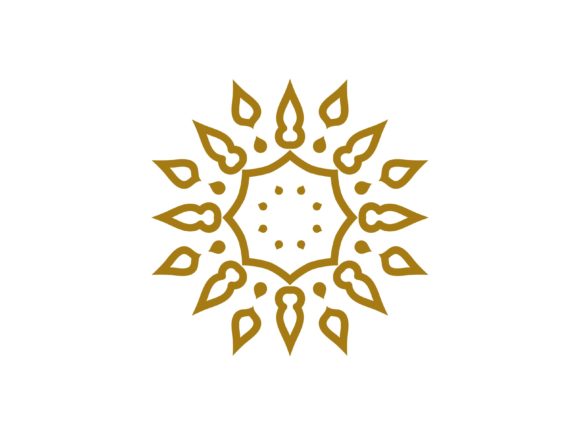
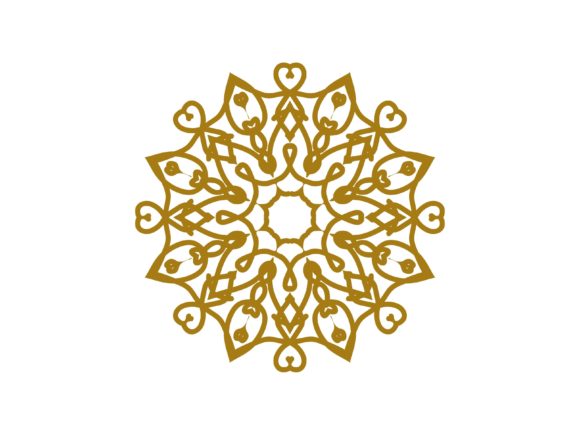
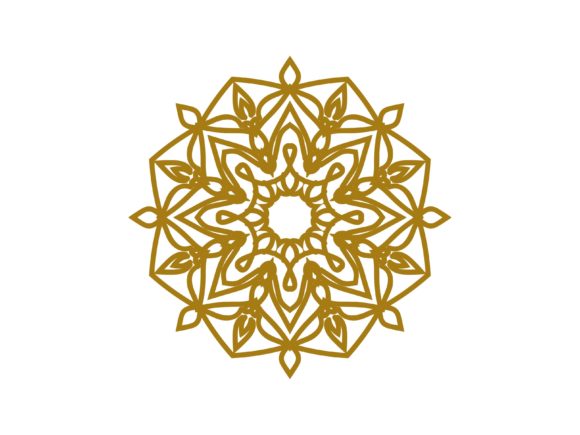
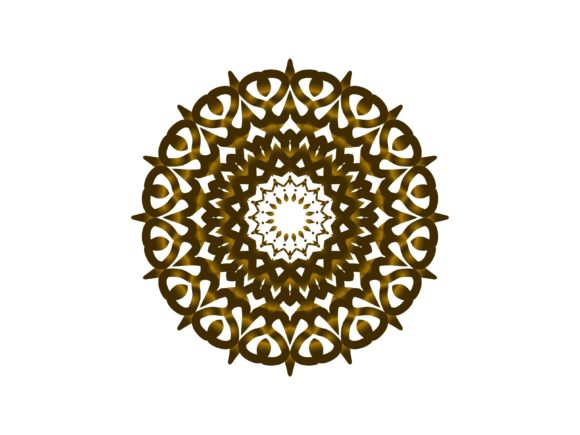
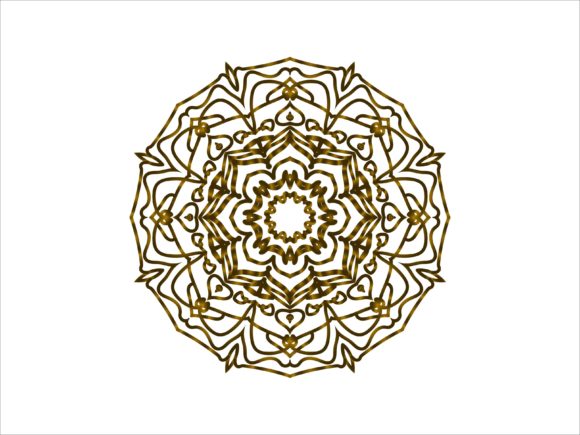
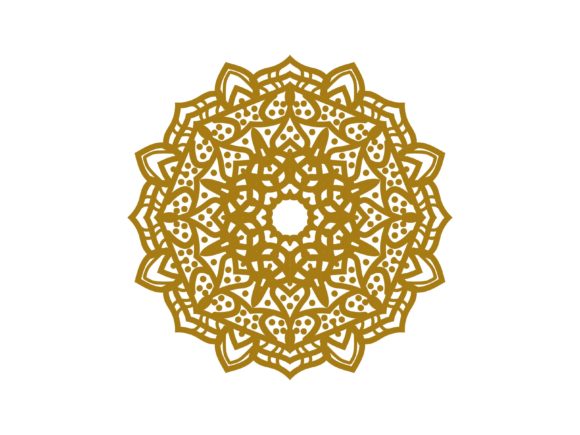
The Mandala Gold Line Domed Flowers design is a striking fusion of intricate floral patterns and mandala symbolism, rendered in an elegant, domed format with gold line details. Rooted in cultural and spiritual traditions from India, the Middle East, and beyond, this motif blends the sacred geometry of mandalas with the organic beauty of flowers. It’s often used as a decorative element in art, illustration, tattoos, wedding cards, yoga-themed prints, and more.
As a design asset, it bridges traditional aesthetics with modern applications. Whether you're creating branding materials, illustrations, or digital content, integrating this motif can add depth, elegance, and a touch of global heritage to your work. Let's explore how it can be effectively used across various creative workflows and industries.
Understanding the Mandala Gold Line Domed Flowers Concept
Mandalas are ancient symbols representing wholeness, spirituality, and harmony. When combined with golden line domed flowers, they become a powerful visual tool that conveys both natural beauty and symbolic meaning. The domed shape adds a three-dimensional feel, making it ideal for print and digital media where texture and form matter.
This design is not just about aesthetics; it serves as a meaningful component in projects that aim to evoke tranquility, mindfulness, or cultural richness. Its adaptability makes it suitable for multiple use cases—from tattoo motifs and henna designs to ornamental frames and vintage-style illustrations.
Key Characteristics of the Motif
- Gold Line Detailing: Offers a luxurious and refined appearance, perfect for high-end products or elegant branding.
- Domed Shape: Gives a sense of fullness and completeness, enhancing its presence in any composition.
- Floral Elements: Incorporates paisley, lace-like curves, and abstract flower shapes typical of Asian, tribal, and Arabic art styles.
- Cultural Roots: Draws inspiration from Indian mandalas, Islamic geometric patterns, and bohemian motifs.
- Isolated Use: Often presented on white or transparent backgrounds, allowing easy integration into other designs.
Pre-Project Integration: Planning with Purpose
Before diving into a project, consider whether Mandala Gold Line Domed Flowers aligns with your theme or message. This is especially relevant in branding, event planning, or educational content creation. For instance, if you're designing promotional material for a wellness retreat centered around yoga and meditation, this motif could serve as a central symbol.
Here’s how to incorporate it during the planning phase:
- Define the Project Scope: Determine if the design will play a primary or supporting role in your layout.
- Select Appropriate Tools: Choose vector-based software like Adobe Illustrator or free tools such as Inkscape for scalability and clarity.
- Research Cultural Context: Ensure the design respects its origins and fits the audience expectations—especially in international or intercultural settings.
- Sketch Workflow Ideas: Draft how the motif will appear in different formats (print, digital, social media) and what variations might be needed.
Use Case Example: Wedding Card Design
If you're working on a South Asian wedding card collection, start by evaluating existing templates. Ask yourself:
- Does the motif enhance the overall aesthetic without overwhelming it?
- Can it be adapted to fit varying sizes and orientations (e.g., vertical vs. horizontal cards)?
- How does it interact with text elements and other design components?
By answering these questions early, you set the stage for a cohesive and meaningful final product.
During the Project: Execution and Adaptation
Once the concept is clear, focus on implementation. Mandala Gold Line Domed Flowers can be layered, resized, or recolored depending on the needs of your project. Its versatility allows it to function as a background pattern, a focal point, or even part of a larger composition.
For example, in graphic design:
- Use it as a background texture for a retro-inspired poster.
- Incorporate it into a yoga studio logo to represent balance and peace.
- Integrate it as a decorative frame around illustrations or photographs for an ornate look.
Practical Tips for Implementation
To maintain quality and usability throughout the design process:
- Always keep the original vector file for scalability and future edits.
- Test the motif in different color modes—black and gold, white on navy, or muted pastels—to find the best fit.
- Ensure compatibility with web and print standards when exporting files (e.g., PNG for digital, PDF for print).
- Use alignment and spacing tools to integrate the design seamlessly with other elements.
When working on a multi-step project like a branding campaign, think of this motif as one piece of the puzzle. How does it complement your brand colors? Can it be used across business cards, website headers, and social media assets consistently?
Post-Implementation: Refinement and Long-Term Use
After the initial design is completed, review how well the Mandala Gold Line Domed Flowers has served its purpose. Is it legible at small sizes? Does it retain its elegance when printed on textured paper or displayed on a screen?
Refinement might involve adjusting the contrast, simplifying the lines for better scalability, or adding subtle shading to enhance the domed effect. These tweaks help ensure the design remains effective across all mediums and over time.
Quality Control Checklist
- Verify the motif works in black and white as well as color.
- Check resolution and clarity when scaled up or down.
- Confirm that it aligns with your brand identity or project goals.
- Assess compatibility with other fonts, images, or graphics in your layout.
- Obtain feedback from users or stakeholders before finalizing the design.
Long-term use requires consistency. If you’re using it as a recurring element in marketing materials, establish a style guide to define placement, size, and color preferences. This ensures uniformity and strengthens brand recognition.
Workflow Examples Across Industries
Let’s explore a few practical scenarios where this motif can be implemented effectively:
1. Tattoo Design
Tattoo artists often draw from ethnic and symbolic motifs. The Mandala Gold Line Domed Flowers provides a unique option for those seeking a blend of tradition and modern minimalism. Here’s a typical workflow:
- Consult with the client to understand their vision and cultural significance.
- Adapt the motif to fit the body placement (e.g., forearm, back, ankle).
- Use line weight adjustments to make the design pop while maintaining subtlety.
- Create a mock-up using vector tools for approval before proceeding with the actual artwork.
2. Product Packaging
For businesses selling handcrafted items, such as incense, candles, or yoga accessories, this design can elevate the perceived value of the product. Consider the following steps:
- Choose packaging materials that highlight the motif’s texture and detail.
- Ensure the motif doesn’t overshadow essential product information.
- Test the design in both physical samples and digital mock-ups.
- Gather insights from customers to refine the presentation further.
3. Digital Illustration and Background Creation
Illustrators and web designers frequently need decorative yet non-distracting elements. This motif can act as a subtle background or accent in a variety of contexts:
- Website banners for meditation apps or wellness blogs.
- Background textures for mobile wallpapers or screensavers.
- Accents in greeting cards, posters, or invitations.
Its isolated nature makes it easy to place behind other elements without clashing, offering flexibility in layering and blending.
Combining with Other Assets and Resources
The Mandala Gold Line Domed Flowers isn't a standalone solution but rather a versatile component in a broader creative ecosystem. It pairs well with other design elements such as:
- Ethnic typography for wedding invitations or cultural events.
- Retro color palettes for vintage-style illustrations or branding.
- Geometric patterns common in Islamic art for added complexity and symmetry.
- Minimalist layouts where the motif acts as a focal point rather than background noise.
Additionally, when working with clients or collaborators, share editable versions of the motif so they can adjust it according to their specific needs. This fosters a collaborative environment and ensures the design remains adaptable post-delivery.
Design Organization and Usability
Organizing your design files properly is key to long-term efficiency. Create folders labeled clearly for different uses—such as “Wedding Cards,” “Tattoo Mock-Ups,” or “Yoga Branding.” Keep each version of the motif distinct based on application, ensuring that you don’t mix up a high-resolution print-ready version with a low-res digital variant.
Usability also depends on how intuitive the design is for end users. If it's part of a downloadable template, provide instructions on how to edit, resize, or reposition it. Include examples of finished products to give users a clearer idea of potential outcomes.
Efficiency Tips for Repeated Use
- Save commonly used variations as separate layers within the same file for quick access.
- Build a library of compatible assets—fonts, icons, borders—that work well with the motif.
- Use naming conventions to easily locate files later (e.g., MGLDF-WeddingCard-v1.ai).
Real-World Applications and Outcomes
Several professionals have successfully integrated this design into their work. A yoga instructor created a series of printable meditative cards using the motif as a border, which were then sold as part of a mindfulness toolkit. Similarly, a boutique used it in their store signage to reflect their bohemian and eco-conscious values.
One important observation is that the motif works best when it complements the overall theme. It shouldn’t dominate unless the goal is to emphasize its cultural or artistic significance. Balancing detail with readability is crucial in most design contexts.
Outcome-Focused Integration
Ask yourself what outcome you want from using the Mandala Gold Line Domed Flowers:
- Do you want to evoke a sense of calm and spirituality?
- Are you aiming for a luxurious or vintage aesthetic?
- Is the design meant to educate or celebrate a cultural tradition?
Aligning the design with your intended outcome helps determine how much emphasis to place on it and how to structure the rest of your layout around it.
Final Thoughts on Integration and Use
Successfully incorporating Mandala Gold Line Domed Flowers into your creative work involves thoughtful planning, precise execution, and ongoing refinement. Its rich symbolism and visual appeal make it a valuable addition to any designer’s toolkit, especially when targeting audiences interested in meditation, yoga, weddings, or ethnic art forms.
Whether you're crafting a logo for a new venture, preparing a vintage-style brochure, or illustrating a cultural story, this motif can help you create something memorable and meaningful. As with any design element, the key lies in understanding its purpose and ensuring it enhances rather than complicates the overall message.