Redefining Visual Identity: The Strategic Value of Abstract Fluid Shapes Pattern Design
In the rapidly evolving landscape of digital design and brand identity, visual trends cycle with increasing speed. However, certain aesthetic movements transcend temporary fads to become foundational elements of modern communication. One such movement is the prominence of Abstract fluid shapes pattern design. This style, characterized by its organic flow, minimal composition, and vibrant yet soothing color palettes, has emerged as a critical asset for professionals seeking to convey innovation, adaptability, and natural harmony. Whether you are a freelancer crafting a portfolio, a marketer developing a summer campaign, or an entrepreneur establishing a new brand identity, understanding the utility and application of these vector-based patterns is essential for staying competitive.
The Aesthetic Philosophy Behind Organic Minimalism
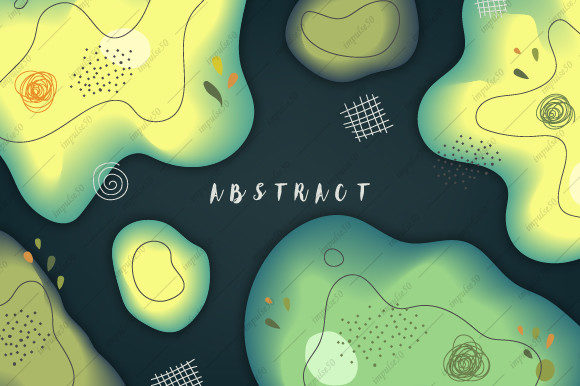
To appreciate the value of abstract fluid shapes, one must first understand the philosophical underpinnings of the style. Unlike rigid geometric patterns that suggest structure and industrial precision, organic green decorative elements and fluid forms evoke a sense of growth, movement, and biological authenticity. In an era where consumers are increasingly skeptical of overly polished, synthetic corporate imagery, there is a growing demand for visuals that feel human-centric and approachable.
The "Summer style of minimal artwork background" represents a specific intersection of this trend. It combines the lightness and optimism associated with seasonal warmth with the clean, uncluttered lines of minimalism. This combination allows brands to communicate clarity without sacrificing warmth. For instance, a wellness app might use soft, flowing green gradients to suggest health and tranquility, while a tech startup might utilize sharp, abstract fluid curves to imply agility and forward momentum. The key lies in the versatility of the Abstract fluid shapes pattern design, which can be adapted to reflect diverse brand personalities while maintaining a cohesive visual language.
Technical Advantages: Why Vector Precision Matters
For creators and businesses alike, the technical format of a design asset is just as important as its aesthetic appeal. The shift towards pure vector formats, specifically EPS10, has revolutionized how designers interact with complex patterns. When we discuss the availability of files in EPS10 adjustable format, we are referring to a standard that ensures infinite scalability without loss of quality. This is particularly crucial for large-format prints, such as trade show banners, office murals, or packaging prototypes, where pixelation would otherwise ruin the professional presentation.
The resolution specification of 300 dpi further underscores the print-readiness of these assets. While vectors are mathematically defined, high-resolution raster previews (JPEG) allow users to visualize the final output accurately before implementation. This dual-format approach—providing both the editable source file and the high-fidelity preview—streamlines the workflow significantly. Professionals no longer need to guess how a subtle gradient will render on a billboard; they can adjust the size, shape, and colour directly within their preferred software, ensuring that the final product matches their exact vision.
Customization as a Competitive Edge
One of the most compelling arguments for utilizing pre-made but fully editable vector patterns is the ability to customize them to fit specific brand guidelines. The purchased file is provided without a watermark, granting users full commercial rights and creative freedom. Users can adjust size, shape, and colour depending on their style, allowing for rapid iteration during the brainstorming phase. For example, a marketing team might start with a base template featuring organic green decorative elements and then tweak the hue to match their brand’s primary color palette. This level of control reduces production time and costs, making it an attractive option for startups and small businesses operating with limited budgets.
Market Trends and Consumer Psychology
The resurgence of organic and fluid design motifs is not occurring in a vacuum. It reflects broader shifts in consumer psychology and market expectations. As digital fatigue sets in, audiences are gravitating towards content that feels calming and aesthetically pleasing. The "organic green decorative" aspect of these patterns taps into the biophilic design trend, which suggests that humans have an innate tendency to seek connections with nature. By incorporating natural forms into digital interfaces, packaging, and advertising, brands can subconsciously enhance user trust and engagement.
Furthermore, the minimalist approach aligns with the modern preference for simplicity and efficiency. In a cluttered information ecosystem, clean backgrounds help highlight core messages rather than distracting from them. This is particularly relevant for mobile-first strategies, where screen real estate is at a premium. A well-designed Abstract fluid shapes pattern design can serve as a subtle texture that adds depth to a UI without overwhelming the user interface components.
Practical Applications Across Industries
The versatility of these vector assets means they can be deployed across a wide range of industries. Here are several practical examples of how professionals are leveraging these designs:
- Brand Identity & Logo Design: Freelancers and agencies use fluid shapes to create memorable logos that symbolize adaptability and growth. The organic curves can be integrated into wordmarks or used as standalone iconography.
- Packaging Design: Consumer goods companies, particularly in the food, beverage, and cosmetics sectors, utilize these patterns to create shelf-ready designs that stand out through their natural aesthetic. The EPS10 adjustable format allows for precise die-line integration, ensuring perfect alignment with physical packaging structures.
- Digital Marketing & Social Media: Marketers employ these backgrounds for blog headers, social media posts, and email newsletters. The Summer style of minimal artwork background is particularly effective for seasonal campaigns, evoking feelings of freshness and renewal.
- Interior & Environmental Graphics: Architects and interior designers use high-resolution versions of these patterns for wall coverings, lobby installations, and event spaces. The ability to scale the design up to building-sized dimensions without losing detail is a significant advantage.
Workflow Efficiency and File Management
From a project management perspective, the availability of Available ZIP files containing both EPS10 and JPEG Original file without watermark versions simplifies the handoff process between designers, developers, and printers. This standardized delivery method reduces friction in collaborative environments. For instance, a graphic designer can work on the EPS file in Adobe Illustrator, while a web developer extracts the necessary SVG code or uses the JPEG for quick prototyping. This seamless integration supports agile workflows, where speed and accuracy are paramount.
Moreover, the fact that the file is provided without a watermark eliminates the legal ambiguities often associated with stock assets. Professionals can integrate these designs into client deliverables with confidence, knowing that they have the necessary rights for commercial use. This clarity is essential for maintaining professional integrity and avoiding potential copyright disputes.
Future-Proofing Your Creative Assets
As technology continues to advance, the demand for high-quality, adaptable visual assets will only increase. The rise of augmented reality (AR) and virtual reality (VR) experiences requires graphics that can maintain quality across various scales and resolutions. Vector-based Abstract fluid shapes pattern design is inherently future-proof, as it can be manipulated in 3D space and rendered in real-time applications. By investing in these versatile assets now, creators and businesses are positioning themselves to take advantage of emerging platforms and mediums.
Additionally, the sustainability angle cannot be overlooked. By using digital assets that require less physical trial-and-error in the design process, professionals contribute to a more sustainable workflow. The ability to preview and adjust designs digitally before committing to print reduces waste, aligning with the growing corporate emphasis on environmental responsibility.
Conclusion
The adoption of Abstract fluid shapes pattern design is more than just a stylistic choice; it is a strategic decision that aligns with contemporary values of transparency, natural connection, and technological efficiency. For professionals, entrepreneurs, and enthusiasts, these assets offer a powerful tool to enhance visual communication, streamline workflows, and engage audiences on a deeper emotional level. With the flexibility of pure vector formats and the aesthetic appeal of organic minimalism, these designs provide a robust foundation for creating impactful, modern, and enduring brand experiences. As the digital landscape continues to evolve, those who leverage these trends effectively will find themselves well-equipped to meet the changing needs and expectations of their audiences.