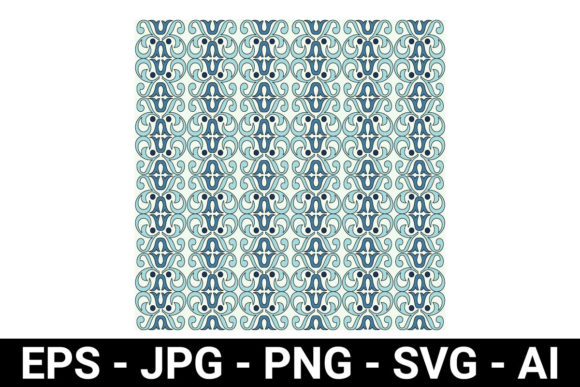
Batik Pattern Perfect for Background: A Versatile Design Asset for Modern Creatives
Batik is an ancient textile art with deep cultural roots, especially in Indonesia. Traditionally created through wax-resist dyeing techniques, Batik patterns are now widely available in digital formats such as AI, EPS, SVG, JPG, and PNG. These files offer designers, marketers, educators, and hobbyists a seamless way to incorporate the beauty of Batik into their projects. When it comes to backgrounds or wallpapers, selecting a Batik Pattern Perfect for Background ensures your visual assets remain elegant, timeless, and adaptable across platforms.
Understanding Batik Patterns in Digital Design
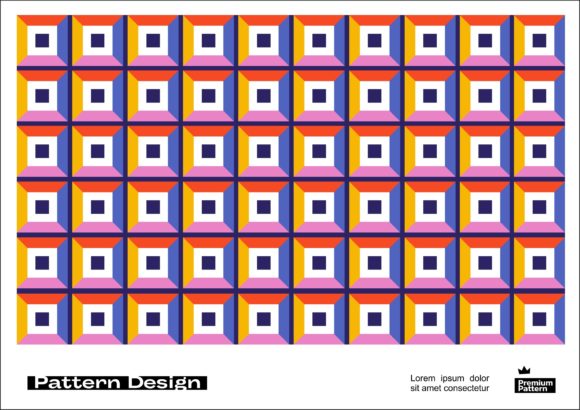
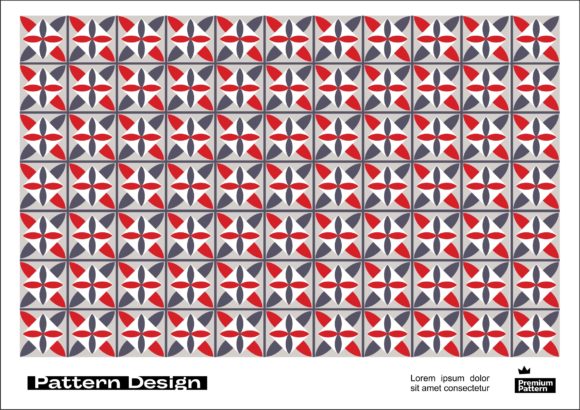
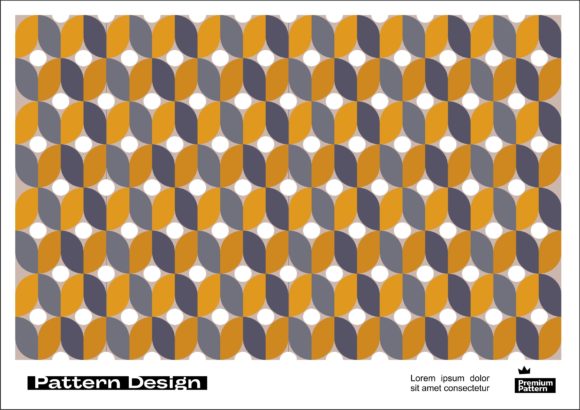
A Batik pattern suitable for background use typically features intricate motifs like arabesque swirls, geometric shapes, or floral designs. These elements are often symmetrical, making them ideal for tiling without visible seams. The term Batik Pattern Perfect for Background refers not only to the aesthetic appeal but also to its functional attributes—such as scalability, clarity at high resolution, and compatibility with both print and digital media.
When you download a ZIP folder containing Batik patterns in various file types, you gain flexibility. For instance, SVG and AI files allow for easy editing and resizing without loss of quality, while JPG and PNG formats are ready for immediate use in web design, social media, or printed materials. This makes Batik a valuable addition to any creative toolkit.
Choosing the Right Batik Pattern
Before integrating Batik into your project, consider the purpose and context. Are you designing a website banner? A product label? Or perhaps a decorative tile for a home decor application? Each scenario requires a different approach:
- Elegant and Classic: Ideal for formal presentations, luxury branding, or traditional-themed events.
- Geometric and Trendy: Great for modern websites, app interfaces, or fashion prints.
- Antique and Ornate: Suitable for vintage-inspired posters, packaging, or historical content.
- Simple and Seamless: Best for minimalist designs, clean backdrops, or subtle textures.
Think about color schemes and contrast levels. Some Batik patterns work better when layered over solid colors, while others require a lighter base to maintain legibility. Testing a few options during the planning phase can save time later in execution.
Integrating Batik into Your Workflow
Once you’ve selected a Batik Pattern Perfect for Background, the next step is integration. Here’s how professionals from different fields might use it:
For Web Developers and UI/UX Designers
Incorporate Batik patterns into your site's background using CSS tiling or image overlays. Because many Batik designs are symmetrical and repeatable, they’re excellent for creating unique yet scalable visuals. SVG files are particularly useful here, as they can be edited directly in code for responsive behavior.
Example workflow:
- Download the ZIP folder with multiple Batik pattern variations.
- Select an SVG or PNG file that matches your brand's color palette.
- Use a tool like Adobe Illustrator or Figma to adjust size and opacity.
- Export the final version for use in HTML/CSS or graphic software.
For Print Designers and Textile Artists
Batik patterns are commonly used in fabric printing, wrapping paper, and ornamental textiles. When working on physical outputs, ensure your chosen pattern is high-resolution (JPG or PNG) and fits the dimensions required for the material. The repeating nature of the pattern allows for easy scaling across large surfaces, maintaining symmetry and continuity.
Some tips for preparing Batik for print:
- Check DPI settings before exporting to ensure clarity.
- Test the pattern on a small swatch before applying it to larger fabrics.
- Consider how lighting will affect the appearance in real-world environments.
For Educators and Content Creators
Batik patterns can serve as educational tools or visual aids. Whether you're illustrating cultural heritage in a presentation or using them as decorative elements in blog posts, Batik adds a layer of authenticity and artistic value. In this case, simplicity often wins out—opt for patterns that don’t overwhelm text or images.
Implementation tip: Use the transparent PNG format to overlay Batik onto other graphics without disrupting the layout. This is especially useful for infographics, video intros, or podcast thumbnails where a classic Indonesian touch enhances the visual storytelling.
Collaboration and Compatibility
One of the strengths of Batik patterns in digital form is their compatibility with most design software. Whether you're using Canva for quick edits, Photoshop for advanced manipulation, or CorelDRAW for vector-based work, the AI and EPS files included in the ZIP folder provide a professional starting point.
Additionally, sharing these files with collaborators becomes straightforward. You can send individual files based on their needs—SVG for editable illustrations, JPG for photo-based layouts, and PNG for transparency. This streamlines the collaboration process and ensures everyone works with the right asset type.
If you're working with developers or marketers, include notes on how the pattern should be applied—whether as a full-page wallpaper, a subtle texture, or a tiled backdrop. Clear communication reduces revisions and keeps the workflow efficient.
Organizing Your Batik Assets
With multiple versions of a Batik pattern in hand, it's essential to organize them properly. Create folders for each file type (e.g., “Vector Files,” “Raster Images”) and name them descriptively (e.g., “Classic-Floral-Batik-Transparent-PNG”). This helps maintain consistency and makes retrieval easier during later stages of your project.
You may also want to categorize patterns by theme or style—“Modern Geometric,” “Traditional Floral,” “Abstract Symmetry”—to match them quickly with upcoming tasks. A well-organized asset library is a hallmark of professional design workflows.
Long-Term Use and Reusability
The versatility of a Batik Pattern Perfect for Background extends beyond single-use projects. Once incorporated into a design system, these patterns can be reused across campaigns, marketing materials, or even internal documentation. Their timeless nature ensures they remain relevant through changing trends.
To maximize long-term use:
- Save master copies in high-quality formats like AI or EPS for future editing.
- Create variations with different opacities or color adjustments for diverse applications.
- Archive completed projects so you can revisit and repurpose the pattern if needed.
Quality Control and Adaptability
Not all Batik patterns perform equally in every context. Always test your chosen pattern on different screen sizes and resolutions. On mobile devices, overly detailed Batik may distract users or slow load times. Conversely, on large monitors or billboards, simple Batik might appear too sparse.
Another consideration is adaptability. If you plan to use the same pattern across multiple platforms (e.g., web, print, merchandise), make sure it retains its integrity. Check for alignment issues, distortion, and clarity after scaling. Using vector formats (AI/EPS/SVG) ensures the highest fidelity in all cases.
Real-World Applications of Batik Backgrounds
Beyond aesthetics, Batik patterns add cultural depth and uniqueness to your designs. Here are some common use cases:
- Website Backdrops: Use Batik as a subtle background behind hero sections or landing pages to evoke tradition and sophistication.
- Product Packaging: Apply Batik to gift wraps, boxes, or bags to create an artisanal feel.
- Event Decorations: From banners to tablecloths, Batik patterns bring a sense of celebration and elegance.
- App Interfaces: Incorporate Batik as part of the UI to reflect local culture or differentiate your brand visually.
- Home Decor: Batik wallpapers or fabric tiles can transform a room with minimal effort and maximum impact.
Each of these applications benefits from careful planning and selection. For example, if you're launching a product line inspired by Indonesian heritage, using Batik in your promotional materials creates a cohesive narrative from logo to label.
Workflow Example: Creating a Product Line with Batik
Let’s walk through a practical example of how Batik integrates into a business workflow:
- Planning Phase: Identify the target audience and select a Batik pattern that aligns with their preferences—modern, classic, or ornate.
- Design Phase: Import the AI or EPS file into your design software and tweak the colors or scale as needed.
- Prototyping: Use the PNG or JPG version to mock up product designs on sample packaging or labels.
- Production: Export the finalized Batik pattern in the appropriate resolution and format for printing.
- Marketing: Repurpose the same Batik design in social media posts, email headers, or promotional videos to maintain brand identity.
This end-to-end use highlights the efficiency of having a Batik Pattern Perfect for Background in your ZIP folder. It bridges the gap between concept and execution seamlessly.
Why Batik Fits Into Creative Workflows
Creatives often seek assets that combine beauty with functionality. Batik patterns meet this need by offering rich visual interest without compromising usability. They can be modified, repeated, and adapted to suit almost any medium—digital or physical.
Moreover, Batik supports creative expression. Whether you prefer a bold, decorative look or a soft, understated texture, there’s a Batik variant to match. This flexibility encourages experimentation while maintaining professionalism and coherence in your output.
Enhancing User Experience with Batik
In user experience (UX) design, backgrounds play a subtle yet powerful role. A Batik Pattern Perfect for Background can enhance UX by providing a consistent visual language. However, it must never overshadow content. Balance is key.
Best practices for UX-friendly Batik use include:
- Using low-opacity layers to avoid overwhelming foreground elements.
- Limiting the use of complex Batik to areas where it won't interfere with readability.
- Combining Batik with white space or negative space to maintain focus on key information.
Conclusion
Whether you're enhancing a website, designing a product, or crafting educational materials, a Batik Pattern Perfect for Background offers a blend of cultural richness and technical versatility. By understanding how to choose, edit, and implement Batik effectively, you can elevate your work with minimal effort and maximum impact.
Remember to treat Batik as more than just a decorative element—it's a strategic asset that can unify your design language, improve usability, and connect with audiences on a deeper level. With the right preparation and thoughtful application, Batik patterns become an integral part of your creative and business processes.