Traditional Geometric Pattern: A Strategic Asset for Brand Identity and Design Operations
In the landscape of modern visual communication, trends shift with alarming speed. What captures attention today may feel dated tomorrow. However, certain design elements possess a timeless quality that transcends fleeting fads. Among these, the Traditional Geometric Pattern stands out as a robust, versatile, and strategically valuable asset for professionals seeking to establish credibility, cohesion, and aesthetic depth in their projects. Whether you are a small business owner crafting a brand identity, a marketer designing campaign materials, or an educator creating engaging content, understanding how to leverage traditional square art decorative motifs can significantly enhance your output.
This article explores the practical applications, strategic advantages, and operational efficiencies associated with using vector-based traditional geometric designs. We will move beyond simple aesthetics to discuss how these patterns support goals, planning, positioning, and long-term results in both digital and physical media.
The Strategic Value of Timeless Geometry
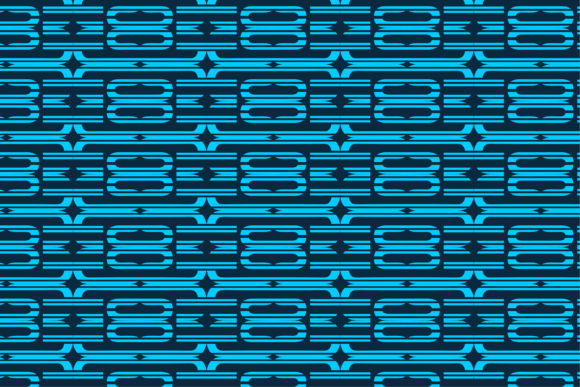
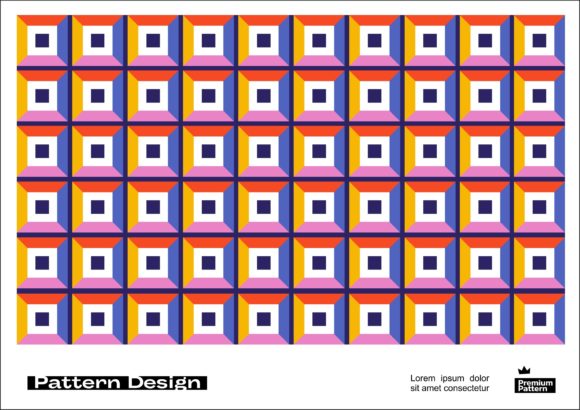
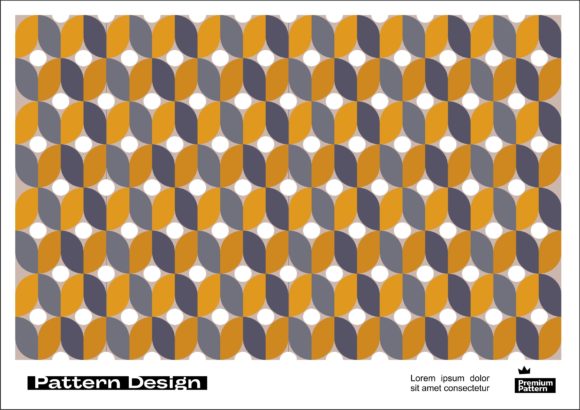
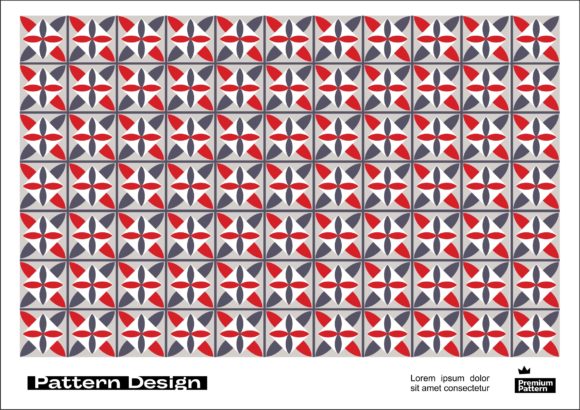
At its core, a Traditional Geometric Pattern relies on the precise arrangement of shapes—typically squares, triangles, diamonds, and lines—to create rhythm and structure. Unlike organic or illustrative styles that require heavy interpretation, geometric designs communicate order, stability, and professionalism. For entrepreneurs and decision-makers, this psychological association is not incidental; it is functional.
When integrated into branding, a clean geometric design serves as a visual anchor. It signals to the consumer that the entity behind the brand values precision and reliability. This is particularly relevant for industries such as finance, technology, architecture, and education, where trust and clarity are paramount. By adopting a traditional square art decorative style, designers can create a visual language that feels established rather than experimental, reducing cognitive load for the audience and fostering immediate recognition.
Furthermore, the versatility of geometric patterns allows for seamless integration across multiple touchpoints. A pattern used on a website header can be easily adapted for business cards, packaging, social media backgrounds, and even fabric textures for merchandise. This consistency strengthens brand recall and ensures that every interaction with your brand feels part of a unified whole.
Technical Advantages: The Power of Vector Formats
For creators and professionals who manage large volumes of design assets, the technical format of your graphics is just as important as their visual appeal. The specific design discussed here features high-quality AI, EPS, and JPG formats, offering distinct advantages for different stages of production.
- AI and EPS (Vector) Files: These formats are resolution-independent. This means you can scale a Traditional Geometric Pattern from a tiny favicon to a massive billboard without any loss of quality. For printing purposes, vectors are essential because they maintain crisp edges and precise angles, which is critical for professional-grade output. If you are producing fabric textures or large-scale decor, vector files ensure that the intricate details of the traditional square art remain sharp and clear.
- JPG Files: For web use, quick previews, or lightweight digital sharing, the included JPG versions provide immediate usability. They are optimized for screen viewing, ensuring fast load times while preserving the visual integrity of the pattern.
The availability of these formats directly impacts operational efficiency. Designers spend less time troubleshooting pixelation issues or reconstructing scalable assets, allowing them to focus on strategy and creative direction. This is a significant time-saver for freelancers and agencies managing tight deadlines.
Customization and Flexibility in Design Workflow
A common misconception is that traditional patterns are rigid or restrictive. In reality, when sourced correctly, they offer immense flexibility. The featured collection includes 100 editable and resizable designs, each constructed to allow for easy modification. This level of customization is crucial for maintaining brand relevance over time.
Color Adaptability: One of the most powerful features of these vector patterns is the ease with which colors can be changed. Instead of searching for a new pattern every time your brand palette shifts or you need to create seasonal variations, you can simply swap the hex codes. A traditional geometric background can transition from a corporate blue to a vibrant holiday red in seconds. This capability supports agile marketing strategies, allowing businesses to respond quickly to market trends or cultural moments without compromising on design quality.
Scalability and Resizing: The ability to resize these patterns without distortion means they can be applied to diverse mediums. A pattern designed for a mobile app interface can be expanded for a printed brochure or woven into a textile design. This cross-medium adaptability reduces the need for multiple custom commissions, lowering costs and streamlining the creative process.
Practical Applications Across Industries
To understand the full potential of a Traditional Geometric Pattern, it is helpful to look at specific use cases where these designs drive tangible results.
Branding and Corporate Identity
For startups and established firms alike, a consistent visual identity is key to market positioning. Using a clean geometric design as a background for email signatures, presentation decks, or website headers creates a cohesive look. It elevates the perceived value of the content, making information feel more structured and authoritative. Educators and trainers can also benefit by using these patterns in slide decks to break up text-heavy content and guide viewer attention.
Fabric and Product Design
The mention of "traditional square art decorative for fabric texture" highlights a significant application area. The fashion and home decor industries rely heavily on repeatable patterns. Because the source files are vector-based, manufacturers can produce fabrics with perfect alignment and minimal waste. This is ideal for small business owners looking to launch product lines ranging from apparel to upholstery. The traditional nature of the geometry appeals to a broad demographic, avoiding niche trends that might limit market reach.
Digital Marketing and Content Creation
Blogger and publishers often struggle with creating unique visuals for every post. A library of 100 editable geometric patterns provides a ready-made solution. By adjusting colors to match the tone of the article, creators can produce engaging thumbnails, banner ads, and social media graphics quickly. This efficiency boosts productivity, allowing content creators to maintain a consistent posting schedule without burning out.
Risks and Considerations
While the benefits are substantial, relying on pre-made patterns requires strategic intent. There are risks if these assets are used without clear goals or context.
Over-Saturation: Because geometric patterns are popular, there is a risk of your design blending into the background of generic templates. To avoid this, you must customize the colors and scale appropriately. Simply dropping a standard pattern onto a page is rarely enough to create a distinctive brand presence. You must integrate it thoughtfully, perhaps by overlaying it with subtle opacity changes or combining it with strong typography.
Lack of Context: A beautiful pattern does not compensate for poor messaging. Decision-makers should remember that design supports communication; it does not replace it. Ensure that the geometric elements enhance the readability of your content rather than competing with it. For instance, using a dense traditional square art decorative motif as a background for small body text can hinder accessibility and user experience.
Consistency Checks: When editing colors, ensure that contrast ratios meet accessibility standards (WCAG). A pattern that looks striking in one color combination may become illegible in another. Always test your designs in black and white to check for structural clarity before finalizing color choices.
Maximizing Long-Term Value
Investing in high-quality, editable vector assets is a long-term strategy. Rather than purchasing low-resolution images that expire or degrade, building a library of AI and EPS files ensures your resources remain usable for years. This approach aligns with sustainable design practices and efficient resource management.
For professionals, the inclusion of a readme instruction file is a vital component of this value proposition. Clear instructions reduce the learning curve, enabling team members of varying skill levels to utilize the assets effectively. This democratizes the design process, allowing marketers or project managers to make minor adjustments without needing constant support from senior designers.
Conclusion: Intentional Design for Better Results
The Traditional Geometric Pattern is more than a decorative element; it is a tool for structuring visual communication. Its strength lies in its balance of tradition and adaptability. By leveraging vector formats like AI and EPS, professionals can achieve scalability and precision that raster images cannot match. The ability to easily change colors and resize elements empowers creators to maintain brand consistency across diverse platforms.
As you consider integrating these patterns into your workflow, focus on intentionality. Ask yourself how the geometry supports your message, enhances your brand identity, and improves the user experience. Avoid using design merely for ornamentation; instead, let it serve your strategic goals. Whether you are launching a new product, refreshing your brand, or creating educational materials, a well-executed geometric design can provide the structure and elegance needed to stand out in a crowded marketplace.
We appreciate your interest in these high-quality design resources. Please, don t forget to rate my design. Your feedback helps us continue to improve and provide tools that truly support your creative and business objectives. Thank you for your support.