Exploring the Beauty and Meaning of Mandala Orang Flower Art
Mandala Orang Flower Art is a captivating blend of spiritual symbolism, intricate design, and vibrant color that has found its place in modern aesthetics and commercial creativity. Rooted in ancient traditions yet adapted for contemporary tastes, this art form uses floral elements to create mesmerizing patterns that evoke harmony, balance, and inner peace. Whether you're an artist, designer, or simply someone drawn to beautiful visuals, understanding the essence of Mandala Orang Flower Art can open up new avenues for personal expression and professional application.
What is Mandala Orang Flower Art?
The term mandala, derived from Sanskrit, means "circle" and symbolizes the universe in many Eastern spiritual traditions. A mandala typically features symmetrical shapes radiating outwards from a central point, representing unity, wholeness, and spiritual enlightenment. When combined with Orang Flower—a stylized representation of flowers, often bright and decorative—the result is a unique art style that merges natural beauty with geometric precision.
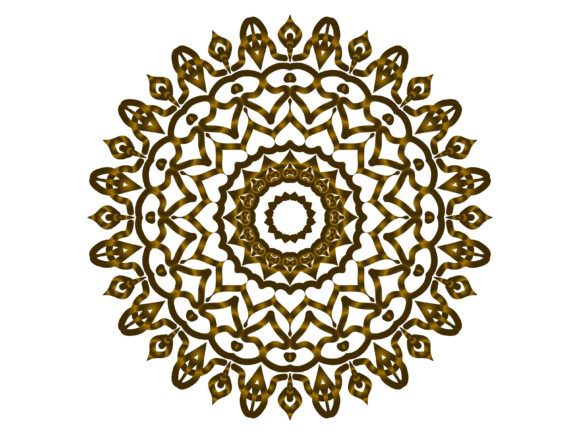
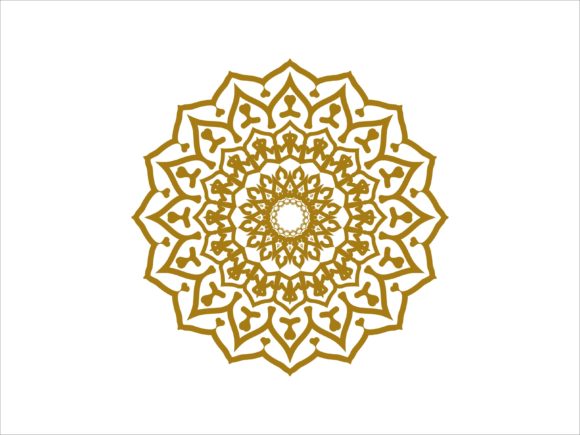
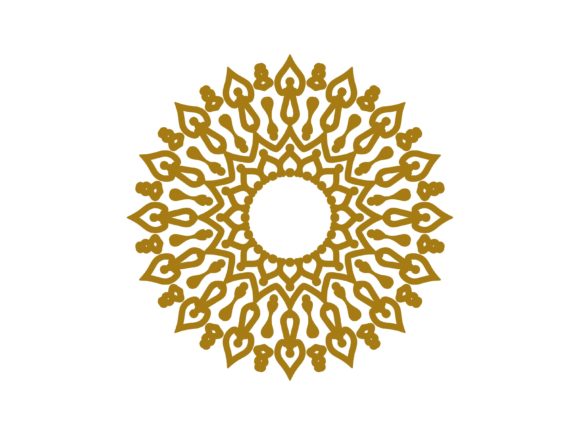
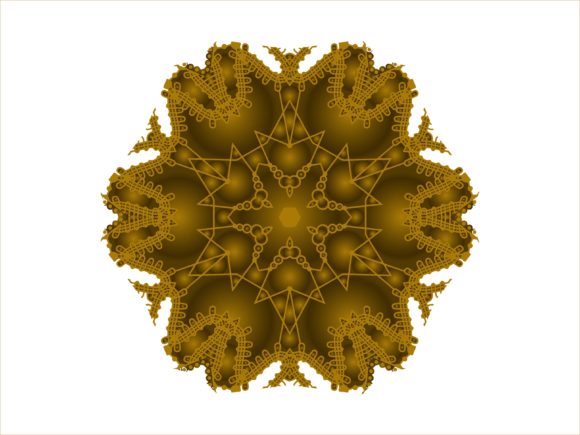
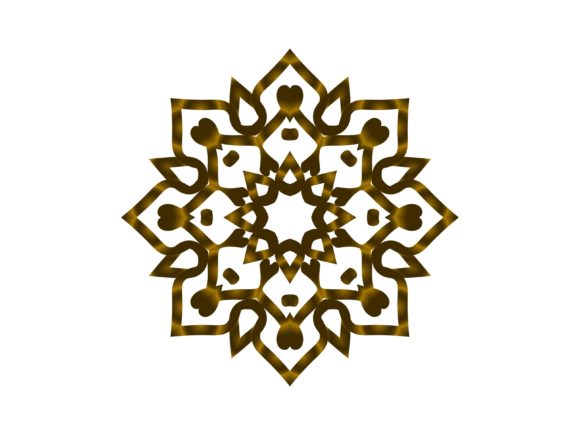
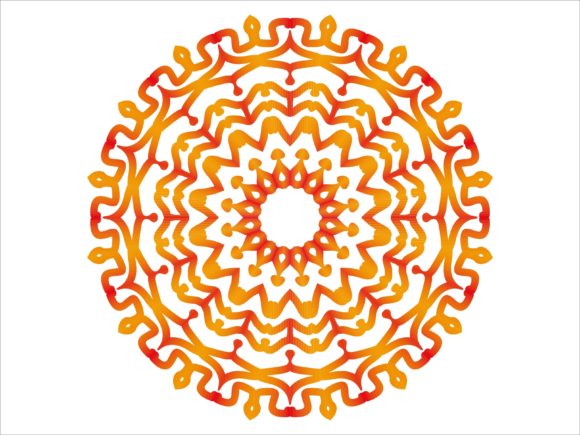
Mandala Orang Flower Art incorporates elements like petals, leaves, and stems arranged in circular, repeating motifs. These designs are often enhanced with colors such as blue, gold, and other shiny hues to give them a kaleidoscope-like appearance. The artwork may also feature abstract shapes, fractals, and patterns inspired by galaxies, auroras, and infinity symbols, making it both visually stunning and deeply symbolic.
Historical and Cultural Roots
Traditional mandalas have been used for centuries in Hinduism and Buddhism as tools for meditation and healing. They serve as visual representations of the cosmos and are believed to help individuals connect with their inner self. The addition of flower motifs brings a sense of organic life and growth into these sacred designs, enhancing their emotional and aesthetic appeal.
In contrast, Orang Flower refers to a stylized flower design common in ethnic and artistic illustration styles, especially in Southeast Asian cultures. This element adds a warm, human-centric touch to the mandala's more esoteric geometry, creating a bridge between the spiritual and the everyday.
The Purpose and Significance of Mandala Orang Flower Art
This art form serves multiple purposes, both practical and philosophical. On one hand, it is a powerful tool for relaxation and mindfulness. On the other, it is widely appreciated for its artistic and decorative qualities. Let’s explore some key aspects of its significance:
- Spiritual Connection: Many people use Mandala Orang Flower Art in meditation practices, yoga studios, and spiritual retreats. The circular nature of mandalas is thought to mirror the cyclical patterns of life and the universe, while the flower elements represent growth, renewal, and vitality.
- Healing and Therapy: In art therapy, mandalas are known to promote mental clarity and emotional healing. Adding floral details enhances the calming effect, making it ideal for environments where stress relief is important.
- Decorative Design: With its emphasis on symmetry, color, and pattern, Mandala Orang Flower Art is perfect for home decor, office spaces, and even digital backdrops. Its versatile nature allows it to fit seamlessly into various design contexts.
- Creative Expression: Artists and illustrators enjoy experimenting with this style due to its limitless potential for innovation. From vector templates to hand-drawn sketches, the fusion of mandala and flower art invites creative exploration.
Symbolism in Mandala Orang Flower Art
Each component of Mandala Orang Flower Art carries deep meaning. For example:
- The Circle: Represents completeness, unity, and the cycle of life. It is the foundation of all mandala designs.
- Floral Elements: Symbolize beauty, love, and the connection between humans and nature. Flowers like the lotus are especially revered for their association with purity and enlightenment.
- Bright Colors and Shiny Accents: Used to draw attention and evoke positive emotions. Blues and golds are popular choices for their calming and luxurious effects.
- Fractal Patterns and Geometry: Reflect the infinite nature of the universe and the interconnectedness of all things. These patterns are often seen in galaxy-themed mandalas.
How to Incorporate Mandala Orang Flower Art into Modern Life
Whether you're looking to add a splash of color to your workspace or need a meaningful backdrop for a project, Mandala Orang Flower Art offers endless possibilities. Here are some practical ways to use it in daily life and business settings:
Home and Office Decor
Use Mandala Orang Flower Art as wall art, cushions, or table centerpieces. The flourishing patterns and colorful accents make it ideal for creating a peaceful and inspiring atmosphere. Consider using it in meditation rooms, bedrooms, or wellness centers to enhance the aura of tranquility.
Digital Backgrounds and Templates
Designers and creatives can take advantage of Mandala Orang Flower Art as a decorative backdrop for websites, apps, or social media content. Vector-based versions are especially useful for scaling without losing quality. You can find ready-to-use templates online, which are great for commercial needs like branding, packaging, or promotional materials.
Educational and Creative Tools
Teachers and educators can use this art in classrooms to teach about cultural history, geometry, and mindfulness. Students might benefit from drawing mandalas as part of art therapy or creative projects. Additionally, printable Mandala Orang Flower illustrations can be used in workshops or as coloring books for all ages.
Commercial Applications
If you're running a business, Mandala Orang Flower Art can be integrated into product designs, logos, and marketing materials. Its ethnic-inspired style resonates well with audiences interested in spirituality, wellness, and artistic expression. Because all our products can be used for commercial needs, they offer flexibility for entrepreneurs and designers alike.
Common Misunderstandings About Mandala Orang Flower Art
Despite its popularity, there are several misconceptions about Mandala Orang Flower Art. One of the most common is that it is purely ornamental. While the visual appeal is undeniable, the deeper purpose lies in its ability to inspire, heal, and reflect inner balance.
Another misconception is that only experienced artists can create or appreciate mandalas. In reality, anyone can engage with this art form, whether through simple coloring pages or advanced digital illustrations. The process itself is what matters—focusing on the act of creation fosters mindfulness and creativity.
It’s Not Just for Meditation
Though frequently associated with spiritual practices, Mandala Orang Flower Art is equally at home in secular and commercial contexts. Its adaptability makes it suitable for everything from fashion prints to mobile phone wallpapers. The key is to understand how each element contributes to the overall flourish and emotional tone of the piece.
Creating Your Own Mandala Orang Flower Art
Want to try your hand at designing Mandala Orang Flower Art? Here are some tips to get started:
- Start with a Central Shape: Begin with a circle or dot in the center and build outward from there. This helps maintain the mandala’s structure and balance.
- Incorporate Floral Motifs: Use stylized flowers, leaves, and vines to fill in the space around the center. Think of how the lotus is used in traditional mandalas for inspiration.
- Play with Color: Experiment with bright and contrasting colors to create a vivid, almost kaleidoscope-like effect. Gold outlines or shiny accents can elevate the design.
- Add Abstract Details: Integrate geometric shapes, light rays, or infinity symbols to give the artwork a more cosmic or esoteric feel.
- Use Technology: Digital tools like Adobe Illustrator or free vector software can help you design precise and scalable Mandala Orang Flower Art. These are excellent for creating high-quality images for commercial use.
Tools and Techniques
There are many ways to create Mandala Orang Flower Art. Some prefer traditional methods like drawing with ink or watercolor, while others rely on digital illustration techniques. Both approaches allow for incredible detail and personalization. If you’re using digital tools, look for vector templates that let you customize the design easily. These are particularly helpful for those who want to produce high-resolution images for print or web.
Why This Art Style Matters Today
In our fast-paced world, Mandala Orang Flower Art offers a moment of stillness and reflection. Its blend of ancient wisdom and modern design makes it a valuable asset across different industries and lifestyles. Here’s why it continues to resonate:
- Visual Appeal: The floral and geometric elements work together to create eye-catching designs that stand out in any setting.
- Emotional Resonance: People are naturally drawn to patterns that reflect balance and beauty. This art taps into universal themes of growth, harmony, and the infinite.
- Commercial Flexibility: From website headers to clothing patterns, Mandala Orang Flower Art can be adapted to suit various business needs. Its ethereal yet structured nature makes it appealing for both luxury and casual brands.
- Global Inspiration: As interest in mindfulness and holistic living grows, so does the demand for art that supports these values. Mandala Orang Flower Art bridges cultural and artistic boundaries, offering something truly universal.
Aesthetic and Functional Harmony
One of the greatest strengths of Mandala Orang Flower Art is its ability to combine function with beauty. In interior design, it can be used to create focal points that bring warmth and energy to a room. In graphic design, it adds depth and character to digital spaces. And in personal development, it becomes a meditative tool that encourages introspection and calm.
Examples of Mandala Orang Flower Art in Action
To better understand how this art is applied, here are some real-world examples:
- Wallpaper Designs: Many digital artists sell Mandala Orang Flower wallpaper templates online. These are not just decorative but also serve as daily reminders of balance and beauty.
- Product Packaging: Eco-friendly and wellness brands often use mandala-inspired designs to convey a sense of harmony and sustainability. The inclusion of flower elements reinforces the connection to nature.
- App Interfaces: Mobile apps focused on meditation, yoga, or mental health frequently incorporate Mandala Orang Flower graphics to create a soothing user experience.
- Fashion Illustration: The style is popular in textile design and embroidery, adding a spiritual and artistic flair to clothing and accessories.
Combining Tradition with Innovation
Some artists push the boundaries by blending Mandala Orang Flower Art with technology, such as holographic elements or interactive animations. Others mix it with modern minimalism to create clean, elegant designs that still carry the essence of the mandala. These adaptations show how the style remains relevant and ever-evolving.
Conclusion: Embracing the Power of Mandala Orang Flower Art
Mandala Orang Flower Art is more than just an artistic trend—it is a meaningful and versatile style that connects us to ancient wisdom while fitting perfectly into modern life. Whether you're using it for decoration, commercial design, or personal growth, this art form has the power to inspire, heal, and transform.
Its rich symbolism, coupled with its colorful, flourishing aesthetics, makes it a go-to choice for those seeking both beauty and balance. By understanding its roots and embracing its adaptability, we can continue to explore new ways to integrate this timeless art into our evolving world.
With the right tools and inspiration, anyone can start incorporating Mandala Orang Flower Art into their lives. So, next time you're looking for a spiritual yet stylish design, consider how this radiant, circular art can illuminate your space and intentions.