The Mandala Gold Line Flower: A Symbol of Beauty, Spirituality, and Design
What is the Mandala Gold Line Flower?
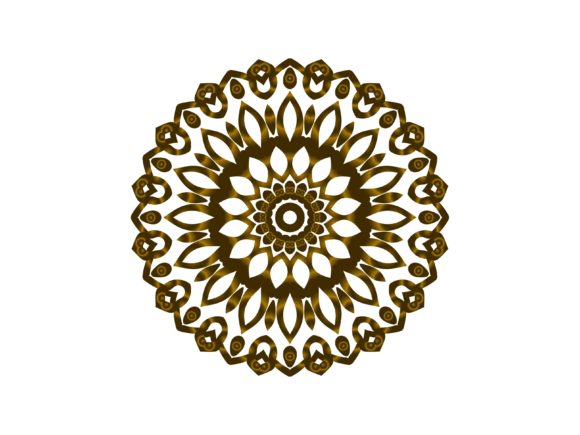
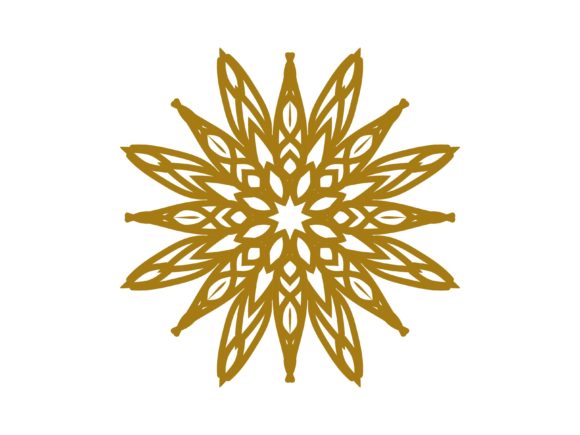
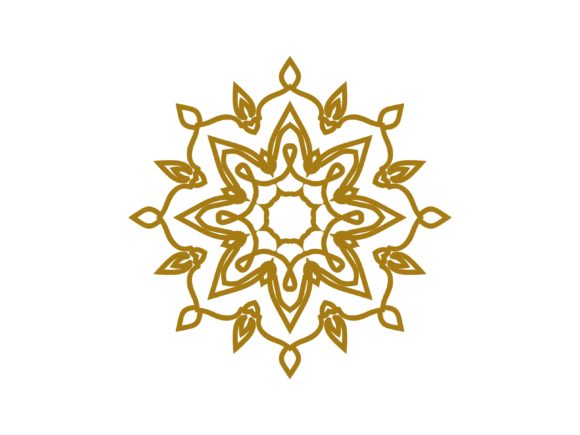
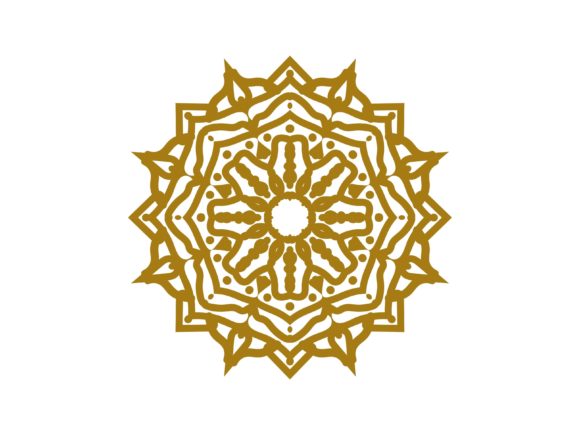
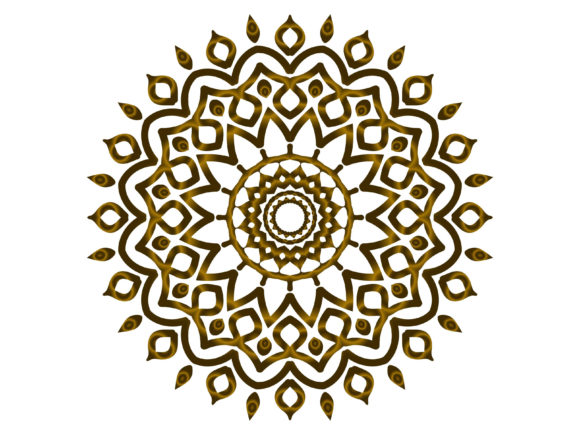
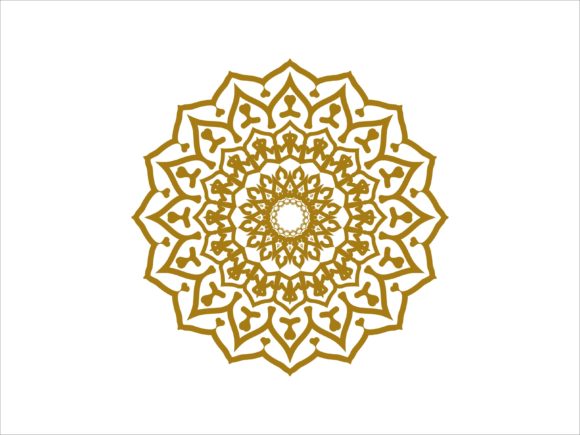
The Mandala Gold Line Flower is a visually captivating design element that blends the sacred geometry of mandalas with intricate floral motifs. The word "mandala" originates from Sanskrit and means "circle." In many cultures, especially in Indian and Asian traditions, mandalas are seen as symbols of wholeness, harmony, and spiritual balance. When combined with floral elements, such as the gold line flower, they create an ornamental pattern that resonates with both aesthetic appeal and deep symbolic meaning.
This design often features delicate golden lines forming petals or floral shapes within a circular framework. These lines can be hand-drawn or digitally rendered, and they are frequently used in art, tattoos, yoga, meditation, and decorative themes like wedding cards or vintage prints. The Mandala Gold Line Flower is not just about visual beauty—it’s also a powerful symbol of life, growth, and interconnectedness.
Key Elements of the Mandala Gold Line Flower
- Gold Lines: Representing elegance and luxury, these fine lines add a sophisticated touch to any design.
- Circular Shape: Reflects unity, eternity, and the cyclical nature of life.
- Floral Motifs: Often inspired by traditional paisley, henna, or Islamic geometric patterns, these flowers signify growth, fertility, and natural beauty.
- Ornate Details: Includes tribal, bohemian, and oriental influences, making it versatile for various cultural and artistic expressions.
Mandalas in Spiritual Traditions
Mandalas have been an integral part of spiritual practices in Hinduism, Buddhism, and other ancient traditions. They are often used in meditation to help focus the mind and evoke a sense of inner peace. The symmetry and repetition found in mandalas are believed to mirror the order and rhythm of the universe.
In modern times, mandalas have become popular in wellness communities, particularly in yoga and mindfulness practices. Their calming visuals make them ideal for backgrounds during meditation sessions or for use in therapeutic settings.
Flowers in Cultural Symbolism
Flowers hold a significant place in human culture and symbolism across the globe. In India, for example, flowers are used in religious rituals, weddings, and as offerings to deities. The gold line flower motif draws inspiration from this rich heritage, incorporating stylized floral forms into its design.
Similarly, in Arabic and Islamic art, floral patterns are common due to the tradition of avoiding representational figures. These designs often feature ornamental, abstract, and repetitive elements, which align perfectly with the structure of mandalas.
Combining Both: A Fusion of Meaning and Aesthetics
When mandalas and flowers merge into one design—like the Mandala Gold Line Flower—they create a unique blend of spirituality and nature. This fusion appeals to people who appreciate both artistic expression and deeper meanings behind their choices in design and lifestyle.
Decorative Arts and Illustrations
The Mandala Gold Line Flower has found its way into various forms of decorative arts, including wall art, home décor, and digital illustrations. Its symmetrical form makes it suitable for creating eye-catching vintage or retro-style prints. It is also commonly used as a background in graphic design projects, where its elegant yet intricate look enhances the overall visual experience without overpowering the content.
Designers love using this motif in vector form because it allows for scalability without loss of quality. Whether printed on fabric, turned into a tattoo, or used as a card template, the Mandala Gold Line Flower maintains its clarity and charm.
Wedding and Event Design
In the realm of wedding design, the Mandala Gold Line Flower has become increasingly popular. Its ethnic and oriental flair adds a touch of sophistication and cultural richness to invitations, table centerpieces, and even bridal accessories. Many couples choose this style to reflect their roots or simply because of its timeless elegance.
As a template for event planners, the Mandala Gold Line Flower can be adapted into different formats—from digital invites to physical décor items like lace doilies or embroidered cushions. Its versatility ensures it fits seamlessly into both traditional and contemporary wedding themes.
Tattoos and Body Art
The Mandala Gold Line Flower is a favored choice among those seeking meaningful and beautiful body art. Tattoos featuring this design often symbolize personal transformation, spiritual awakening, or a connection to nature. Because of its detailed yet balanced composition, it works well as a full-body piece or as a smaller, more subtle motif on the wrist or ankle.
Henna artists also incorporate similar motifs into temporary body art, especially during celebrations like weddings or festivals in South Asian and Middle Eastern cultures. The gold line variation brings a modern twist to this age-old tradition, appealing to younger generations looking for something fresh yet respectful of their heritage.
Logo and Brand Design
For businesses and brands, the Mandala Gold Line Flower offers a compelling option for logo creation. It can be interpreted in many ways depending on the brand’s identity—whether you're designing a logo for a yoga studio, a boutique specializing in ethnic clothing, or a meditation app, this motif can convey a sense of tranquility, creativity, and authenticity.
Its abstract and ornamental nature allows for customization. You can adjust the level of detail, color palette, and size to suit your needs. For instance, a minimalist version could work as a subtle icon, while a more elaborate one might serve as a central theme for packaging or branding materials.
Bohemian and Tribal Aesthetics
The Mandala Gold Line Flower embodies the essence of bohemian and tribal styles. These aesthetics emphasize free-spiritedness, nature, and cultural diversity. The gold line technique gives the design a refined edge, bridging the gap between raw tribal art and polished, modern illustration.
Many fashion and interior designers draw from these styles when creating collections that feel global yet personal. The Mandala Gold Line Flower can be incorporated into patterns for textiles, jewelry, and even furniture, adding an exotic and elegant touch.
Vintage and Retro Appeal
There's a growing trend in design circles toward vintage and retro styles. The Mandala Gold Line Flower fits perfectly into this category. Its ornate details and circular form echo the classic motifs found in mid-century art and design. When printed on canvas or paper, it can easily resemble an old-world illustration or antique frame.
Using this design in print media or as a backdrop for photography gives a nostalgic and artistic feel. It’s a great choice for bloggers, influencers, and creatives aiming to establish a warm and inviting visual identity.
Ethnic and Oriental Inspirations
The Mandala Gold Line Flower also reflects Asian and Oriental design traditions. In many parts of Asia, mandalas are associated with healing and positive energy. Similarly, Islamic art often uses floral and geometric patterns to express beauty and divine order. By integrating these elements, the Mandala Gold Line Flower becomes a cross-cultural symbol that resonates globally.
Choosing the Right Color Scheme
While the name suggests a gold accent, this design can be adapted to suit different color schemes. For a white background, gold lines offer a striking contrast. If you're going for a more vibrant look, consider using jewel tones like emerald green or sapphire blue to enhance the depth of the design.
Scaling for Different Uses
One of the advantages of the Mandala Gold Line Flower is its adaptability in scale. As a vector illustration, it can be resized for anything from a small tattoo to a large mural. However, maintaining the balance of details is crucial. Too much intricacy may overwhelm a smaller format, while a simpler version might lose its impact in larger spaces.
Creating a Focal Point
Whether you're designing a logo or a piece of art, the Mandala Gold Line Flower can serve as a strong focal point. Placing it at the center of a composition helps guide the viewer's attention. Surrounding it with complementary textures or colors can enhance its visual presence and create a harmonious layout.
It’s Only for Religious or Spiritual Purposes
While the mandala does have deep spiritual roots, the Mandala Gold Line Flower is equally appreciated in secular contexts. It's widely used in fashion, home décor, and even technology interfaces for its calming and attractive properties. There's no need for it to carry only religious significance; it can simply be admired for its artistry and design potential.
It’s Complicated to Replicate
Though the design appears complex, it can be simplified to suit different skill levels. Digital tools now allow for easy creation and editing of such patterns. Beginners can start with basic shapes and gradually build up complexity, while professionals can experiment with advanced techniques like shading and texture overlays.
It Doesn’t Belong in Contemporary Design
On the contrary, the Mandala Gold Line Flower is very much a part of modern design trends. Its bohemian, retro, and ethnic qualities make it relevant in today's creative landscape. Many brands and artists incorporate it into their work to stand out while maintaining a sense of timelessness and authenticity.
Practical Tips for Incorporating the Mandala Gold Line Flower
- Start with a Sketch: Before diving into digital design, try sketching the basic structure by hand. This helps in understanding how each petal and curve interacts with the whole.
- Use Vector Software: Programs like Adobe Illustrator or free alternatives like Inkscape are perfect for creating scalable versions of the Mandala Gold Line Flower. This is essential if you plan to use it for logos or large-scale prints.
- Experiment with Textures: Adding subtle textures—like watercolor washes or metallic effects—can give the design a more dynamic and layered appearance. This is especially effective in vintage or hand-drawn styles.
- Balance Simplicity and Detail: Depending on the context, you may want to simplify the design for a logo or keep it elaborate for an art print. Knowing your audience and purpose will help you decide the right approach.
- Consider Cultural Context: When using this design in branding or public art, it's important to respect its origins and ensure it's appropriate for the setting. Researching the cultural background can prevent unintended misinterpretations.
Why the Mandala Gold Line Flower Matters Today
In a fast-paced world filled with digital noise, the Mandala Gold Line Flower offers a moment of stillness and beauty. It appeals to those who seek a deeper connection with their surroundings through art and design. Whether used in meditation apps, yoga studios, or boutique branding, it serves as a reminder of the importance of balance, growth, and mindful living.
Moreover, as consumers become more conscious of the values represented by the products they buy, the Mandala Gold Line Flower stands out for its cultural depth and aesthetic value. It supports the trend of ethical and meaningful design, which is highly valued in today’s market.
A Versatile Tool for Creativity
For designers, the Mandala Gold Line Flower is a versatile tool. It can be isolated for use in logos, integrated into larger compositions for posters or banners, or transformed into a repeating pattern for fabric or wallpaper. Its adaptability makes it a favorite among both beginners and seasoned professionals in the design field.
Connecting Past and Present
This design bridges the gap between ancient traditions and modern aesthetics. By honoring the symbolism of mandalas and the beauty of floral art, it connects us to our shared human history while offering new possibilities for innovation in design and art.
Conclusion
The Mandala Gold Line Flower is more than just a pretty pattern—it's a symbol of unity, beauty, and spiritual insight. Its round, ornamental, and floral characteristics make it a powerful design element in multiple fields, from tattoos and yoga to branding and home décor. Understanding its roots and meanings allows us to appreciate it not only for its visual appeal but also for its cultural and emotional resonance.
As a designer or a consumer, embracing the Mandala Gold Line Flower means engaging with a tradition that celebrates the circle of life and the elegance of nature. Whether you’re looking to create a logo that speaks volumes or simply enjoy a piece of art that brings peace and beauty into your space, this design offers endless possibilities.