Mandala Gold Flower Line: A Versatile Design Element for Modern Creativity
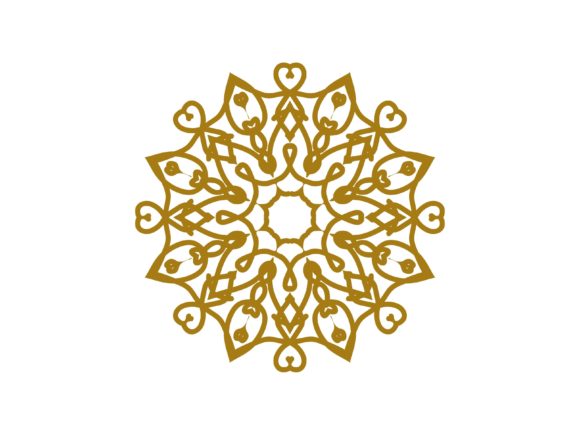
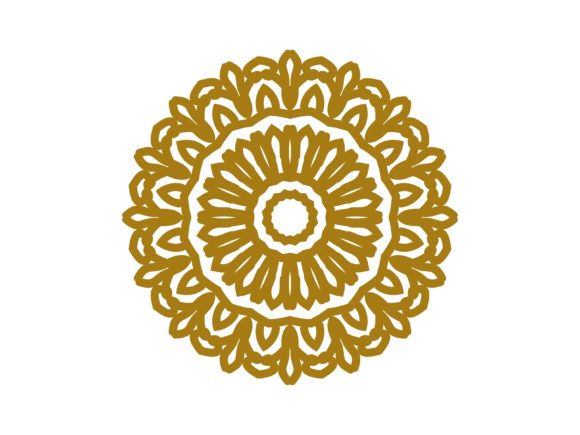
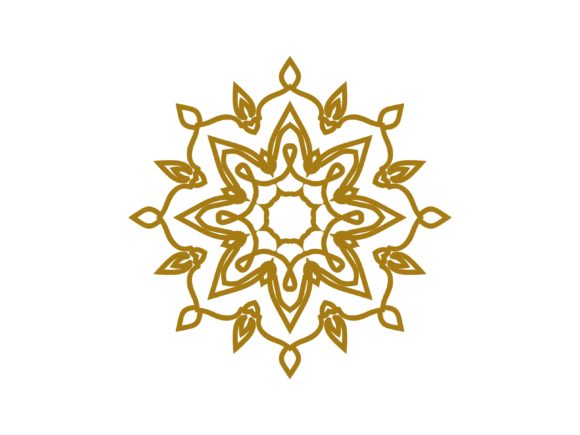
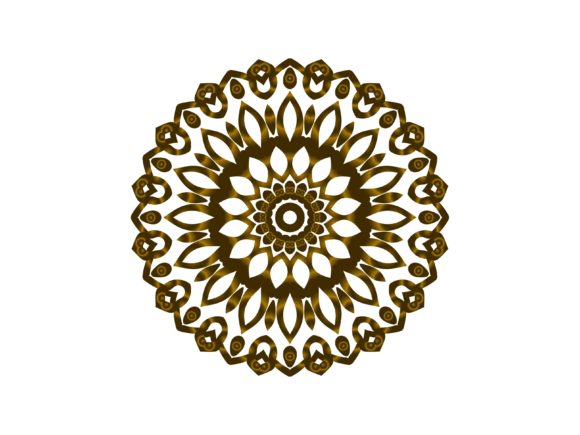
The Mandala Gold Flower Line is a striking and symbolic design motif that draws inspiration from the intricate patterns of traditional mandalas, combined with floral elements rendered in elegant gold lines. This unique fusion appeals to a wide range of creative professionals and enthusiasts, offering an ornamental style that bridges cultural aesthetics—especially those rooted in Indian, Islamic, and Asian traditions—with contemporary design needs. Whether you're working on branding, event planning, digital illustrations, or personal art projects, this design element can elevate your visuals while maintaining a sense of harmony and meaning.
Understanding the Mandala Gold Flower Line
At its core, the Mandala Gold Flower Line represents both beauty and balance. Mandalas are ancient symbols used in meditation and spiritual practices, originating primarily from Hindu and Buddhist cultures. The golden flower line introduces a modern twist by emphasizing clean, stylized outlines that reflect the ornate yet symmetrical nature of these sacred diagrams. It’s often presented as an isolated vector illustration, making it highly adaptable for different applications such as logos, backgrounds, cards, tattoos, and more.
This design element is not just about visual appeal; it carries deep cultural significance. In India, mandalas are associated with yoga and mindfulness, while in Islamic art, floral motifs symbolize eternity and the divine. When these themes intersect in the form of the Mandala Gold Flower Line, they create a powerful aesthetic that resonates across multiple disciplines and audiences.
Integrating into Creative Workflows
When incorporating the Mandala Gold Flower Line into a project, consider where it adds value. Here's how it fits into various stages of the creative process:
- Before a Project: Use it during the brainstorming phase to inspire themes related to spirituality, elegance, or cultural heritage. Its abstract and decorative qualities can guide color schemes and layout decisions.
- During a Project: Apply the pattern to templates, logos, or background designs to maintain a cohesive and stylish look. For instance, when designing a wedding invitation or a yoga retreat flyer, this motif can serve as a central visual anchor.
- After a Project: Repurpose the design for promotional materials like social media banners, email headers, or branded merchandise. Its vintage and bohemian style makes it ideal for retro-inspired campaigns or ethnic-themed content.
Use Cases Across Industries
Due to its rich symbolism and versatile appearance, the Mandala Gold Flower Line finds relevance in several fields:
- Graphic Design: As a vector illustration, it works well in logo creation, website backgrounds, and print materials. Its round, ornamental structure complements circular layouts and frames.
- Event Planning: From wedding invitations to festival posters, the motif brings an air of sophistication and tradition. Pair it with other elements like paisley or lace for a layered effect.
- Textile and Fashion Design: Incorporate it into fabric prints, embroidery, or lace patterns. The gold line offers a subtle shimmer without overwhelming the design.
- Tattoo Art: Many artists use mandala-style designs for body art due to their meditative and meaningful nature. The gold line version is particularly popular for white ink tattoos or as part of larger tribal motifs.
- Interior Decoration: Use it as wallpaper, wall art, or even furniture detailing. Its abstract and oriental features make it suitable for spaces that aim to evoke serenity and timeless charm.
Compatibility and Implementation Tips
One of the key advantages of the Mandala Gold Flower Line is its compatibility with different tools and platforms. Being a vector-based design ensures scalability and clarity at any size, which is essential for high-quality printing and digital rendering. Below are some practical tips for integrating it smoothly into your workflow:
- Choose the Right Format: Opt for SVG or EPS files if you plan to edit the design further using Adobe Illustrator or similar software. PNG files are great for web use, especially when transparency is needed.
- Layering and Text Overlays: Because it’s typically a background or border element, ensure text or images placed over it remain legible. Use contrasting colors or semi-transparent overlays to preserve readability.
- Consistency in Branding: If using the motif in brand assets, maintain consistency in scale, placement, and style across all touchpoints—logos, packaging, marketing materials, etc.
- Respect Cultural Context: While creatively inspiring, it's important to acknowledge the cultural roots of mandalas and floral motifs. Avoid misrepresentation by researching the appropriate usage and symbolism for your audience.
Workflow Example: Creating a Meditation App UI
Imagine you’re designing the user interface for a meditation app. You want the visuals to reflect calmness and tradition. Here’s how the Mandala Gold Flower Line could be implemented:
- Initial Concept: Select the motif as the central design theme due to its association with meditation and mindfulness.
- Mockup Development: Integrate the pattern into background textures or as part of the app’s iconography. Consider using a white or soft pastel palette to enhance the serene atmosphere.
- Prototype Testing: Ensure the gold lines don’t interfere with the app’s usability. Test visibility against different screen brightness levels and device types.
- Final Launch: Add the design to promotional materials, including social media posts and landing pages. Highlight its ethnic and artistic origins to connect with users who appreciate cultural depth.
Combining with Other Elements
The Mandala Gold Flower Line doesn’t need to stand alone. It pairs beautifully with other decorative and symbolic elements:
- Paisley Patterns: These add a sense of movement and exotic flair, complementing the static symmetry of the mandala.
- Arabic Calligraphy: Integrating calligraphic text with the gold flower line can result in a visually rich composition that respects both Islamic and South Asian aesthetics.
- Bohemian Details: For a more eclectic look, combine it with freehand doodles, geometric shapes, or vintage textures.
- Hand-Drawn Styles: Artists often blend digital versions with hand-drawn sketches to create a personalized feel, especially for greeting cards or illustrations.
By thoughtfully combining these elements, designers can craft pieces that are not only beautiful but also deeply expressive and culturally informed.
Quality Control and Long-Term Use
Ensuring the quality of the Mandala Gold Flower Line in long-term use requires attention to detail:
- Resolution and Clarity: Always use high-resolution versions of the design, especially for print work. Low-quality scans may lose the fine details that define the motif.
- Color Accuracy: When printing in gold or metallic tones, consult with printers to confirm color profiles and material compatibility. Digital gold may appear differently in physical form.
- Adaptability: Maintain flexibility by keeping the original vector file editable. This allows for resizing, recoloring, or repositioning without compromising quality.
- Storage and Organization: Store variations of the design in a centralized asset library, categorized by project type (e.g., logos, backgrounds, templates). This improves efficiency and reduces redundancy.
For businesses or creators aiming for consistency, developing a style guide that includes rules for using the Mandala Gold Flower Line is recommended. Define acceptable scales, color pairings, and contexts to avoid misuse and maintain brand integrity.
Designing for Specific Audiences
Depending on your target audience, the way you implement the Mandala Gold Flower Line can vary:
- Entrepreneurs and Small Businesses: Use it subtly in logos or product packaging to evoke a sense of authenticity and artisanal craftsmanship.
- Freelancers and Creators: Offer it as a premium template or illustration for clients needing unique, cultural elements for branding or events.
- Marketers and Educators: Incorporate it into educational materials or campaigns focused on wellness, spirituality, or cross-cultural appreciation.
- Bloggers and Publishers: Feature it in blog headers, infographics, or magazine layouts to add visual interest and reinforce thematic content.
Practical Workflow for Logo Creation
If you're tasked with creating a logo that includes the Mandala Gold Flower Line, here’s a streamlined approach:
- Define the Purpose: Determine whether the logo should be minimalist, bold, or ornate. The gold flower line suits brands with a focus on wellness, spirituality, or cultural products.
- Select the Base Shape: Start with a circular canvas, as the mandala naturally fits within a round frame. This aligns with common logo formats and reinforces the motif’s symbolic meaning.
- Overlay the Motif: Place the Mandala Gold Flower Line either as the central graphic or as a surrounding border. Adjust opacity and contrast based on the overall design.
- Add Typography: Choose fonts that match the aesthetic—script, serif, or minimalist styles can work depending on the desired tone.
- Test in Different Contexts: View the logo in black-and-white, small sizes, and on various backgrounds to ensure it remains effective and recognizable.
With this method, you can produce a logo that feels both modern and timeless, appealing to a broad demographic while staying true to its roots.
Conclusion
The Mandala Gold Flower Line is more than just a decorative pattern—it's a meaningful and adaptable design element that can enrich a variety of creative workflows. By understanding its cultural context, technical properties, and integration strategies, professionals and hobbyists alike can harness its potential effectively. Whether you're enhancing a logo, crafting a meditation space, or designing a wedding card, this motif provides a bridge between tradition and innovation, helping you deliver elegant, impactful results.