The Artistic Potential of Mandala Gold Gradation Flower Line in Modern Design
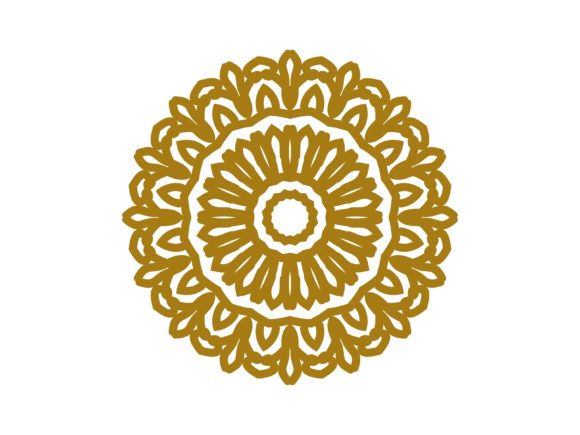
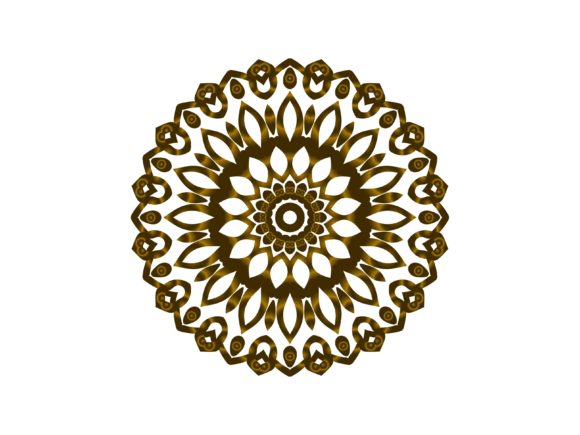
In the realm of visual aesthetics, few elements possess the immediate capacity to evoke a sense of balance and spiritual harmony as effectively as the Mandala Gold Gradation Flower Line. This intricate design motif is not merely a decorative flourish; it is a sophisticated intersection of ancient geometric principles and contemporary digital artistry. By integrating the timeless symbolism of the mandala with the luxurious appeal of gold gradation and the organic flow of floral lines, designers and creators can produce visuals that are both visually striking and emotionally resonant. This article explores the multifaceted nature of this design element, examining its composition, psychological impact, and diverse applications across various professional and creative fields.
Deconstructing the Visual Elements
To truly appreciate the value of the Mandala Gold Gradation Flower Line, one must first understand the components that make up its unique aesthetic. The foundation lies in the concept of the mandala itself—a Sanskrit word meaning "circle." In traditional contexts, these were used as spiritual and ritual symbols representing the universe. However, in modern graphic design, the mandala serves as a powerful tool for creating symmetry and focus. The circular shape acts as a container for complex patterns, drawing the viewer’s eye inward toward a central point of harmony.
What distinguishes this specific variation is the incorporation of the flower line. Unlike rigid geometric shapes, the floral elements introduce an organic, flowing quality. These lines mimic the natural growth patterns found in nature, such as the unfurling of a lotus or the spiral of a sunflower. When combined with the precise geometry of the mandala, they create a dynamic tension between structure and fluidity. This balance is crucial for maintaining visual interest without causing cognitive overload.
The color palette further enhances this effect. The use of gold gradation adds depth and dimensionality to what could otherwise be a flat vector illustration. Gold has long been associated with wealth, prestige, and enlightenment. In a digital context, the gradient transitions from deep amber to bright, shiny yellow create a sense of luminosity, making the design appear almost three-dimensional. This bright and colorful approach ensures that the artwork stands out against darker backdrops, providing a shiny contrast that captures attention immediately.
Spiritual and Psychological Resonance
Beyond its aesthetic appeal, the Mandala Gold Gradation Flower Line carries significant psychological weight. Research into color psychology and pattern recognition suggests that symmetrical designs can have a calming effect on the human mind. The repetitive nature of the patterns encourages a meditative state, similar to the practice of mindfulness. For individuals seeking healing or relaxation, images featuring these elements can serve as a visual anchor, helping to reduce stress and promote a sense of inner peace.
This connection to spirituality is reinforced by the esoteric history of mandalas. They are often viewed as maps of the psyche, guiding the individual toward self-discovery. By incorporating these symbols into modern design, creators tap into a universal language of spiritual symbolism. Whether used in wellness apps, yoga studio branding, or meditation guides, the presence of these motifs signals a commitment to holistic well-being. The aura created by the golden hues and circular forms evokes a feeling of warmth and protection, making it an ideal choice for brands focused on personal growth and mental health.
Applications in Digital and Print Media
The versatility of the Mandala Gold Gradation Flower Line makes it suitable for a wide array of applications. In the digital space, it excels as a background element for websites and mobile applications. Its intricate details provide texture without overwhelming the primary content, allowing text and interactive elements to remain legible. As a wallpaper or desktop background, it offers a sophisticated alternative to plain colors, adding personality to personal devices while maintaining a professional appearance.
- Branding and Logo Design: Businesses in the wellness, beauty, and lifestyle sectors can utilize this design as a core component of their visual identity. The combination of gold and floral elements conveys luxury and care, appealing to high-end consumers.
- Print Materials: For invitations, greeting cards, and packaging, the vector nature of the asset ensures high-quality reproduction at any scale. The abstract yet recognizable pattern works well for wedding stationery, where themes of eternity and love are prevalent.
- Social Media Content: Creators can use cropped sections of the mandala as overlays or story backgrounds. The kaleidoscope effect creates engaging visuals that stop users from scrolling, increasing engagement rates.
Technical Advantages of Vector Formats
One of the most practical aspects of using the Mandala Gold Gradation Flower Line is its availability as a vector file. Unlike raster images, which can become pixelated when enlarged, vectors are composed of mathematical equations that define lines and curves. This allows designers to scale the artwork from a tiny icon to a massive billboard without losing any clarity or detail. This scalability is particularly important for ethnic and cultural designs, which often require adaptation for different mediums and sizes.
Furthermore, vector files are lightweight and easy to edit. Designers can adjust the color values, modify the shape of individual petals, or change the density of the pattern to suit specific project needs. This flexibility empowers creators to customize the asset, ensuring that it aligns perfectly with their brand guidelines. The ability to tweak the gradient stops also allows for fine-tuning the brightness and contrast, ensuring optimal visibility across different screen types.
Integrating Ancient Geometry with Modern Trends
The trend toward "ancient geometric" styles in modern design reflects a growing desire for authenticity and meaning in visual communication. Consumers are increasingly drawn to designs that tell a story or evoke a deeper emotional response. The Mandala Gold Gradation Flower Line bridges the gap between past and present by combining ancient geometric structures with contemporary artistic techniques. This fusion results in an aesthetic that feels both timeless and fresh.
In interior design, this principle is evident in the use of mandala-inspired wallpapers and textiles. The fractal nature of the patterns adds complexity to a room, creating a focal point that draws the eye. When paired with neutral tones, the gold accents provide a pop of energy, preventing the space from feeling dull. Similarly, in fashion, the flourish of floral lines within a geometric framework can be seen in print fabrics and accessory designs, offering a unique twist on classic patterns.
Considerations for Ethical and Commercial Use
While the Mandala Gold Gradation Flower Line is a versatile asset, it is important to approach its use with cultural sensitivity. Mandalas hold deep religious significance in Hinduism and Buddhism. While the abstract interpretation used in commercial design is generally accepted, creators should avoid using sacred symbols inappropriately or disrespectfully. Understanding the origin of the motif helps ensure that the design remains respectful while still being commercially viable.
For businesses looking to license or purchase these assets, verifying the source is crucial. Ensuring that the template is original and legally cleared for commercial use protects against copyright infringement. Many platforms now offer high-quality, artist-created vectors that respect intellectual property rights while providing robust tools for customization. By choosing reputable sources, designers can confidently incorporate these elements into their projects, knowing they are supported by proper licensing.
Future Trends in Abstract Floral Design
As we look ahead, the integration of infinity symbols and continuous loops within mandala designs is expected to grow. This trend reflects a global emphasis on sustainability and cyclical processes. The idea of endless renewal aligns with environmental consciousness, making these designs particularly relevant for eco-friendly brands. Additionally, the use of augmented reality (AR) may allow users to interact with these static images, bringing the galaxy-like swirls to life through motion and sound.
The demand for personalized and customizable design elements will also drive innovation in this space. Tools that allow users to generate their own variations of the Mandala Gold Gradation Flower Line based on their preferences will become more common. This democratization of design empowers individuals to create bespoke artwork that reflects their unique style and values. Whether for a personal blog, a small business website, or a large-scale installation, the potential for creativity is limitless.
Conclusion
The Mandala Gold Gradation Flower Line represents a convergence of art, science, and spirituality. Its ability to captivate the eye while soothing the mind makes it an invaluable tool for designers across industries. From enhancing user interfaces to elevating print materials, this versatile element offers numerous benefits for those seeking to add depth and elegance to their work. By understanding its components and respecting its cultural roots, creators can harness the power of this design to communicate messages of balance, luxury, and harmony. As trends continue to evolve, the enduring appeal of the mandala ensures that it will remain a staple in the designer’s toolkit for years to come.