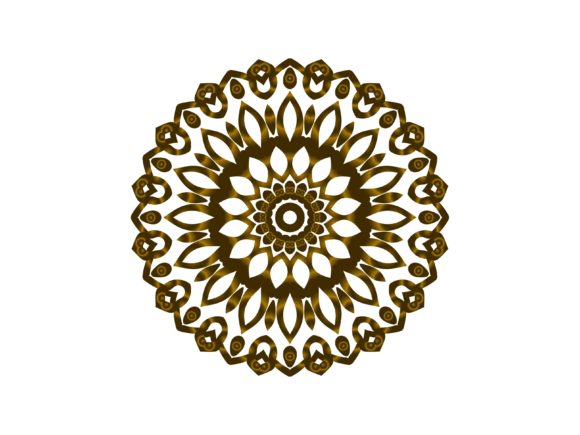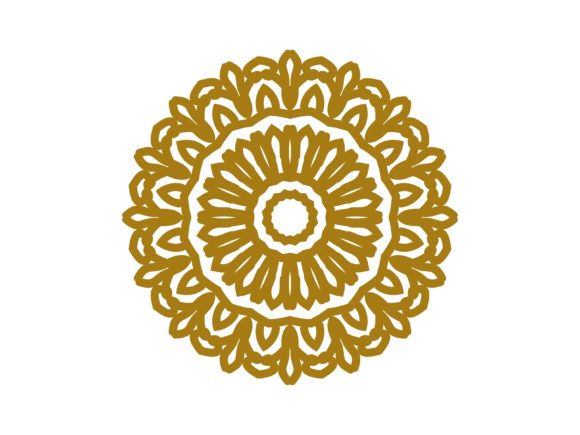
Mandala Gold Line Ornament Flower: A Timeless Design Element for Modern Creativity
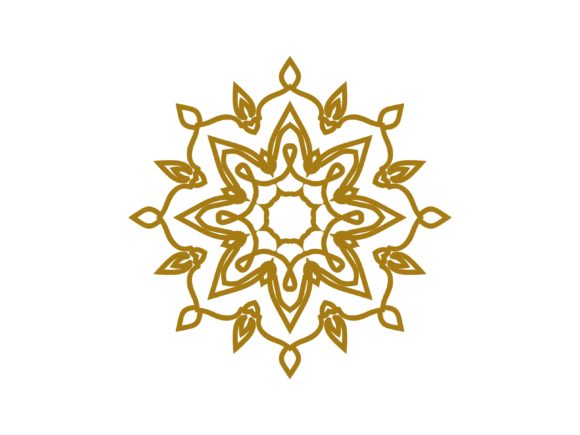
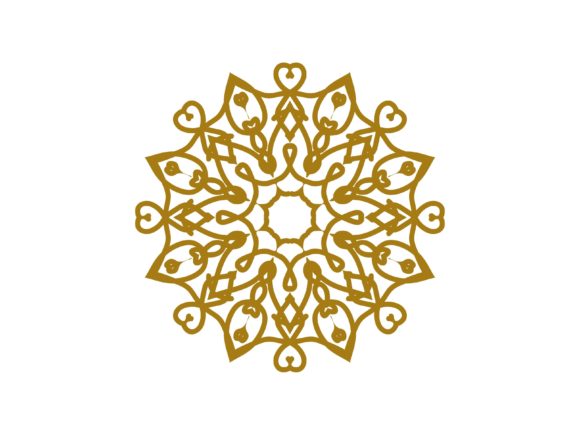
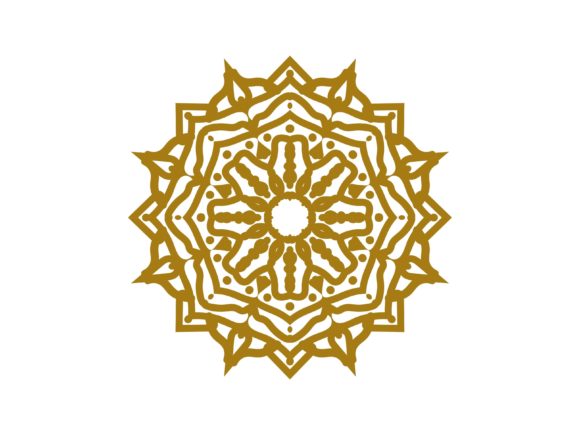
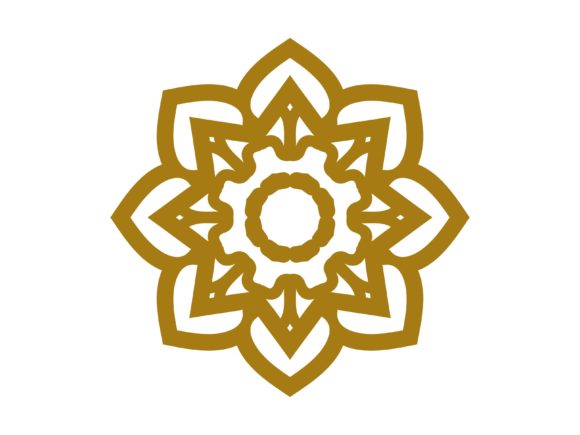
The Mandala Gold Line Ornament Flower is a compelling design motif that blends the intricate beauty of mandalas with the ornate elegance of floral patterns. Rooted in cultural and spiritual traditions from India, Islamic art, and other Asian influences, this style has evolved into a versatile decorative element used across various creative fields. Whether you're designing for print, digital media, branding, or personal expression, understanding the Mandala Gold Line Ornament Flower can open up new avenues for artistic exploration and professional application.
Cultural and Artistic Roots
Mandalas have long been associated with meditation, yoga, and symbolic representation in Eastern cultures. The word "mandala" originates from Sanskrit and means "circle," representing wholeness and unity. When combined with gold line ornamentation and floral elements, it transforms into a rich visual language that conveys both aesthetic appeal and deep meaning.
Gold lines are often seen in traditional Indian and Arabic art, where they symbolize prosperity, divinity, and craftsmanship. These lines trace delicate patterns over flowers, creating a sense of balance and symmetry. The result is an ornamental style that feels both sacred and stylish, making it a popular choice for those seeking to incorporate ethnic or bohemian aesthetics into their work.
Key Characteristics and Design Elements
The Mandala Gold Line Ornament Flower is characterized by its use of:
- Abstract and Symmetrical Forms: Mandalas are inherently symmetrical, and when paired with floral designs, they create a mesmerizing interplay between structure and organic flow.
- Elegant Gold Linework: This feature gives the design a refined look, suitable for high-end applications like wedding invitations, luxury packaging, or branding materials.
- Vintage and Retro Influences: The style draws inspiration from traditional motifs, paisley patterns, and tribal art, offering a nostalgic yet contemporary feel.
- Isolated and Vector-Friendly Layouts: Many versions of this design come as vector illustrations, allowing for scalability without loss of quality—ideal for logos, prints, and digital backgrounds.
These characteristics make the Mandala Gold Line Ornament Flower more than just a pretty image; it's a meaningful and adaptable component that can enhance visual storytelling and evoke emotional resonance.
Practical Applications and Use Cases
This design is widely applicable across industries and mediums. Here are some real-world examples where it shines:
- Logo Design: Businesses in wellness, spirituality, fashion, or lifestyle niches often benefit from using this motif. Its intricate nature adds depth while remaining professional and polished.
- Wedding Themes: The ornate and romantic aspects of the pattern align perfectly with wedding cards, centerpieces, and decor. It brings an exotic flair to ceremonies and invites alike.
- Backgrounds and Textures: In digital design, these patterns serve as excellent background elements. They add visual interest without overpowering the content, especially when used in muted tones or white outlines.
- Tattoo Art and Body Illustrations: Artists looking to blend henna-inspired designs with modern tattoo styles find this motif particularly useful due to its clean lines and meditative symbolism.
- Illustration and Print Media: From greeting cards to posters, the Mandala Gold Line Ornament Flower provides an elegant frame or focal point. Its round shape and detailed edges make it ideal for circular compositions or vintage-style prints.
In all these cases, the key lies in how well the design integrates with the overall project. A strong example is a yoga studio logo using the Mandala Gold Line Ornament Flower as a central emblem. The gold lines suggest mindfulness and tradition, while the floral components evoke natural harmony—perfectly aligned with the brand’s ethos.
Quality and Usability Considerations
When evaluating the Mandala Gold Line Ornament Flower for use in your projects, consider the following factors:
- Clarity and Detail: High-quality vector versions ensure crisp lines even at large sizes. Always check resolution and scalability before finalizing usage.
- Color Flexibility: While the gold line is dominant, many variations allow customization of colors, including monochrome options for retro or minimalist applications.
- Consistency Across Platforms: Ensure the design maintains its integrity when applied to different surfaces such as fabric, paper, or digital screens. Test rendering on mockups if possible.
- Reliability of Source: Opt for reputable design marketplaces or custom illustrators who provide editable layers and proper licensing to avoid legal issues down the line.
A common limitation is the potential for clutter in overly complex compositions. Balancing the ornate nature of the Mandala Gold Line Ornament Flower with negative space is crucial for maintaining readability and visual appeal, especially in branding or UI/UX contexts.
Who Benefits Most?
This design is best suited for professionals and creators who value cultural authenticity and intricate detailing. Here are some specific user groups that may find it beneficial:
- Graphic Designers: Those working on branding, social media graphics, or editorial design will appreciate the motif’s adaptability and symbolic depth.
- Entrepreneurs: Especially in niche markets like wellness, spirituality, or eco-conscious products, this design can elevate product visuals and packaging.
- Event Planners: Wedding themes, retreats, and cultural events often require visually rich yet cohesive design elements, which this motif can provide.
- Illustrators and Artists: The abstract and decorative qualities of the Mandala Gold Line Ornament Flower offer a unique canvas for blending traditional and modern illustration techniques.
- Freelancers and Small Business Owners: With access to ready-to-use templates, this design allows non-designers to create professional-looking materials with minimal effort.
Design Tips and Recommendations
To maximize the effectiveness of the Mandala Gold Line Ornament Flower in your work, keep these tips in mind:
- Use as a Frame: Place text or imagery within the circular design to create a focal point. This works especially well for quotes, infographics, or event details.
- Combine with Minimalist Elements: To avoid overwhelming the viewer, pair the intricate motif with simple typography or solid color blocks.
- Experiment with Ethnic Fusion: Merging it with Arabic calligraphy, paisley accents, or tribal patterns can lead to innovative cross-cultural designs.
- Consider Cultural Context: If used in a commercial context, be mindful of the cultural significance behind the symbols and ensure respectful integration.
- Test for Versatility: Evaluate how it looks in black and white, as a background, and in full color. Some versions perform better under certain conditions.
For instance, a blogger focusing on mindfulness might use the Mandala Gold Line Ornament Flower as a header graphic on their website. By placing it subtly in the corner with a transparent background, it enhances the page’s ambiance without distracting from the content.
Limitations and Realistic Expectations
Despite its strengths, the Mandala Gold Line Ornament Flower isn’t universally appropriate. It tends to work best in specific niches and may not suit every brand or project. For example:
- Modern Tech Brands: May prefer simpler, geometric designs over elaborate, culturally inspired ones.
- Corporate Environments: Unless the company has a direct connection to culture, spirituality, or artisanal goods, the motif could appear out of place.
- Print Constraints: Highly detailed versions may struggle with printing clarity if not properly optimized for the chosen medium.
Additionally, while many free or low-cost versions exist online, they often lack the flexibility required for professional use. Investing in a premium version ensures higher quality, originality, and the freedom to modify the design to fit your exact needs.
Long-Term Value and Trends
As part of the broader bohemian, vintage, and oriental design trends, the Mandala Gold Line Ornament Flower remains relevant in today’s creative landscape. Its roots in meditation and yoga communities also mean it continues to resonate with wellness-focused audiences.
However, trends shift, and while this design is currently popular, it’s essential to evaluate whether it aligns with the longevity of your project. For timeless applications like hand-drawn illustrations or illustration-based tattoos, the motif offers enduring appeal. But for fast-moving campaigns, it may require careful contextualization to stay fresh and engaging.
Conclusion and Final Thoughts
The Mandala Gold Line Ornament Flower is a powerful and expressive design element that bridges the gap between tradition and modernity. Its ethnic charm, abstract complexity, and floral grace make it a standout choice for those aiming to create visually compelling and culturally resonant work.
If your project involves decoration, art, or symbolic visuals, this motif deserves serious consideration. However, always assess its compatibility with your brand identity, audience expectations, and technical requirements. Used thoughtfully, the Mandala Gold Line Ornament Flower can become a signature asset in your creative toolkit.
Creators who understand its cultural weight and visual versatility are likely to see the most success. As with any design resource, the true value lies not just in the motif itself but in how it’s applied. So take time to explore its variations, experiment with combinations, and let the Mandala Gold Line Ornament Flower inspire your next artistic endeavor.