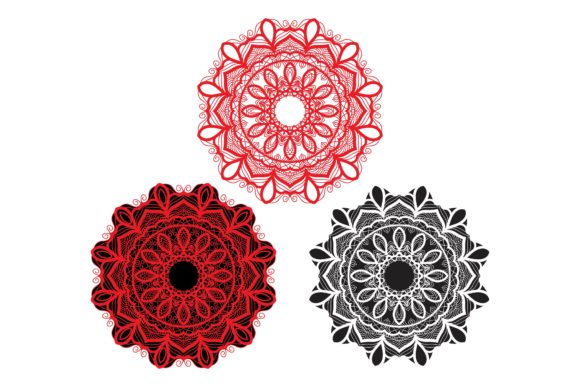
Mandala Pattern Logo Vector: A Versatile Design Element for Modern Creativity
A Mandala Pattern Logo Vector is a digital design asset that combines the intricate beauty of mandalas with the flexibility and scalability of vector graphics. Mandalas, which originate from ancient Eastern traditions, are circular designs rich in symbolism, often representing balance, harmony, and spiritual connection. When transformed into a vector format, these patterns become powerful tools for designers, artists, and creators across various industries.
Why Mandala Patterns Are Gaining Popularity in Logo Design
The growing interest in ethnic, bohemian, and oriental aesthetics has made mandala-inspired logos increasingly popular. These logos appeal to brands targeting audiences interested in wellness, spirituality, fashion, or cultural heritage. The floral, ornate, and abstract qualities of mandalas lend themselves well to creating unique visual identities that stand out in competitive markets.
- Cultural resonance: Mandala motifs are deeply rooted in Indian, Turkish, Moroccan, and Asian art forms, making them ideal for brands looking to incorporate ethnic or traditional elements.
- Versatility: Whether used in print, web, or mobile formats, vector-based mandala patterns maintain clarity and quality at any size.
- Symbolic meaning: Many people associate mandalas with meditation, yoga, and mindfulness, aligning them with wellness-related businesses.
Key Benefits of Using a Mandala Pattern Logo Vector
Using a Mandala Pattern Logo Vector offers several advantages over raster images or generic logo templates:
- Scalability without loss of quality: Vector files ensure your logo looks crisp on everything from business cards to billboards.
- Customization potential: You can easily adjust colors, shapes, and layout components to match brand guidelines or seasonal themes.
- Time-efficient: Ready-made vectors eliminate the need for complex hand-drawn illustrations while still offering artistic value.
- Seamless integration: These logos work well as part of larger design systems—think backgrounds, textile prints, or decorative frames.
When to Choose a Mandala Pattern Logo Vector
Consider using a mandala pattern logo vector if your brand or project aligns with any of the following:
- Wellness and lifestyle industries: Yoga studios, meditation centers, or holistic wellness brands benefit from the calming and symbolic nature of mandalas.
- Ethnic or artisanal products: Textile companies, fabric designers, or those selling handmade goods may find mandala designs add an authentic touch.
- Bohemian and vintage themes: From retro fashion to Moroccan-inspired interiors, mandala patterns complement eclectic and ornamental styles.
- Decorative applications: Use it as a background for illustrations, cards, wallpaper, or even carpets and fabrics.
Tradeoffs and Considerations
While mandala patterns offer aesthetic richness, they also come with certain tradeoffs that should be weighed before finalizing a design choice:
- Overuse risk: With their rising popularity, mandalas can sometimes feel cliché or overused, especially in the wellness sector.
- Complexity vs. simplicity: Highly detailed mandalas may not be suitable for minimalist branding or small-scale printing where clarity is key.
- Cultural sensitivity: Since mandalas have deep roots in religious and spiritual traditions, especially in Hinduism and Buddhism, it's important to approach their use respectfully and thoughtfully.
- Design specificity: Not all businesses will benefit from such a motif. If your brand identity doesn't naturally connect with spiritual or ethnic themes, a mandala could feel misplaced.
Expectations and Best Practices
When working with a mandala pattern logo vector, it’s important to set realistic expectations about its application and impact:
- Clarity across media: Ensure the design remains legible when scaled down or printed in black-and-white contexts.
- Balance between detail and functionality: Avoid overly busy patterns that might distract from the main message or purpose of the logo.
- Color coordination: Use complementary color palettes to enhance the visual harmony of the design, especially since many mandalas rely heavily on floral and organic hues.
- Contextual fit: Evaluate whether the mandala complements other design elements like fonts, shapes, or textures (e.g., lace, Ottoman, Aztec).
Situations Where Alternatives May Be Better
Although mandala patterns are visually appealing, there are scenarios where they may not be the best option:
- Corporate or professional environments: A more straightforward, geometric, or modern logo style might better suit formal industries like finance or law.
- Minimalist branding: For brands emphasizing clean lines and simplicity, a mandala's complexity could detract from the overall design goal.
- International accessibility: If your audience includes regions unfamiliar with mandala symbolism, consider whether this could affect brand perception.
- Fast-paced marketing needs: If you're designing for a short-term campaign or limited promotional materials, investing in a custom mandala vector might not be cost-effective.
Decision-Making Insights for Designers
Choosing a mandala pattern logo vector requires thoughtful consideration of both form and function. Here are some practical tips to guide your decision:
- Define your brand identity first: Is your brand spiritual, artistic, cultural, or commercial? This will help determine if a mandala fits your visual narrative.
- Test different variations: Experiment with simpler versions of mandalas or combine them with other elements like vintage frames or abstract tiles to avoid overwhelming the viewer.
- Seek feedback: Show your design to a diverse group of stakeholders or target users to gauge how it resonates culturally and emotionally.
- Use as a supporting element: Instead of making the mandala the central feature, consider using it as a border, background texture, or subtle accent within the logo.
How to Source and Use a Mandala Pattern Logo Vector
Many design platforms offer pre-made mandala pattern logo vectors for download. These can typically be found under categories like “decorative,” “ethnic,” or “textile” design elements. When selecting one, look for features such as:
- High-resolution vector file types (e.g., SVG, EPS)
- Editable layers for customization
- Compliance with licensing terms (especially for commercial use)
- Compatibility with design software like Adobe Illustrator or Inkscape
Once acquired, integrate the vector into your logo by layering it with typography, adjusting its scale, or modifying its color palette to reflect your brand's personality. Tools like Canva, Figma, or Photoshop can assist in editing and applying these assets effectively.
Integrating Mandala Elements Into Broader Design Systems
Beyond standalone logos, mandala patterns can serve as cohesive elements in broader visual systems. They pair well with other decoration and design elements such as:
- Henna-style details: Popular in Indian and Moroccan aesthetics, henna motifs can blend seamlessly with mandalas for a unified look.
- Tribal and Aztec influences: Combining mandala vectors with tribal symbols or Aztec tile patterns adds depth and cultural fusion to the design.
- Retro and vintage textures: Overlaying mandala designs with vintage or retro effects can evoke nostalgia and timeless appeal.
- Textile and carpet applications: Use the pattern as a repeating motif for fabric prints, wall coverings, or seamless wallpaper designs.
Conclusion
In summary, a Mandala Pattern Logo Vector is a compelling design choice for those seeking to infuse their brand with cultural richness, spiritual symbolism, and artistic flair. Its adaptability makes it suitable for a wide range of uses—from yoga studios to fashion textiles and illustration templates. However, it's crucial to assess how well the mandala aligns with your brand's identity, target audience, and long-term goals.
If your project benefits from floral, round, or ornamental elements, and you're aiming for a bohemian, Asian, or meditative vibe, then a mandala vector could be an excellent fit. On the other hand, if your design philosophy leans toward minimalism or modernity, you might want to explore alternative options that better reflect your vision.
Ultimately, the right choice depends on your specific needs. By understanding the strengths and limitations of mandala-based designs, you can make an informed decision that enhances your brand's visual storytelling without compromising clarity or professionalism.