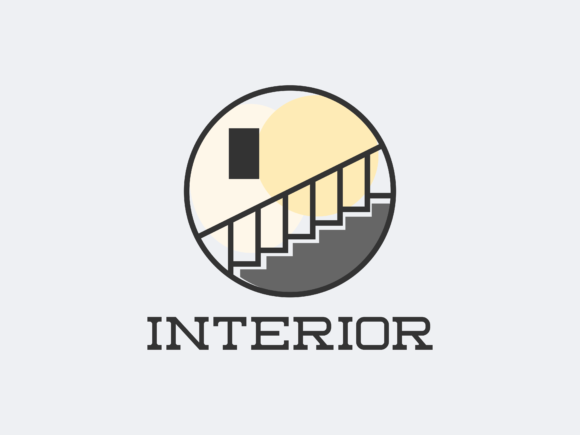
Interior Logo Design Vector Illustration: Strategic Branding for Modern Spaces
In an era where visual identity is the first point of contact between a business and its potential client, the distinction between generic imagery and strategic design cannot be overstated. For professionals in architecture, interior design, real estate, and home decor, the choice of logo is not merely aesthetic; it is a foundational element of brand positioning. A high-quality Interior Logo Design Vector Illustration serves as more than just a graphic element—it acts as a visual shorthand for quality, precision, and creative vision. When executed correctly, this type of branding asset communicates complex ideas about space, structure, and style with immediate clarity.
The decision to utilize vector-based illustrations for your brand identity offers significant advantages over raster-based images. Vectors are defined by mathematical equations rather than pixels, ensuring that your logo remains crisp and legible regardless of scale. Whether applied to a business card, a billboard, or a mobile app icon, the integrity of the design is preserved. This technical reliability is crucial for businesses that operate across multiple platforms, from physical signage to digital marketing campaigns. By investing in a robust vector file set—typically including formats like EPS, PNG, and JPG at 300 DPI resolution—you ensure that your brand maintains a professional standard in every context.
The Strategic Value of Visual Identity in Interior Industries
For entrepreneurs and freelancers in the interior and architectural sectors, trust is the primary currency. Clients are inviting you into their personal or commercial spaces, often making significant financial investments. Your logo must convey competence, attention to detail, and artistic sensibility simultaneously. An abstract or geometric logo design can effectively communicate these traits without relying on literal interpretations that may feel dated or limiting.
Consider the psychological impact of line weight and form. Thin, precise lines suggest elegance and meticulous planning, which appeals to clients seeking high-end renovation or bespoke furniture solutions. Conversely, bold, blocky shapes might resonate better with construction firms or industrial decor specialists who prioritize durability and structural integrity. The concept behind your interior logo design vector illustration should align directly with your target market’s expectations. A modern, flat design approach often signals efficiency and contemporary taste, appealing to younger demographics or tech-savvy homeowners looking for streamlined service experiences.
Furthermore, a well-conceived logo supports long-term brand equity. Unlike temporary marketing trends, a strong visual identity endures. It becomes synonymous with your reputation for quality workmanship and creative problem-solving. When customers see your symbol on a completed project, they associate the visual with the tangible result. This reinforcement builds recognition and loyalty, turning one-time clients into advocates who recommend your services based on the consistent quality represented by your brand mark.
Technical Specifications and File Management
Understanding the technical components of your logo assets is essential for maintaining consistency across all touchpoints. A comprehensive package for an Interior Logo Design Vector Illustration typically includes several key formats, each serving a specific purpose in your workflow.
- EPS (Encapsulated PostScript): This is the industry standard for vector graphics. It allows for infinite scaling without loss of quality, making it ideal for large-format printing such as banners, vehicle wraps, and trade show displays. Designers use EPS files to edit colors, adjust paths, and integrate the logo into larger layouts while preserving its scalability.
- PNG (Portable Network Graphics): PNG files support transparency, which is critical when placing your logo over various backgrounds, such as photographs of interior spaces or textured walls. High-resolution PNGs (300 DPI) ensure that the edges remain sharp even when zoomed in, providing versatility for web use and digital presentations.
- JPG (Joint Photographic Experts Group): While JPGs do not support transparency, they are universally compatible and widely used for email signatures, social media profiles, and general web display. They offer smaller file sizes, facilitating faster loading times on websites and quicker sharing via messaging platforms.
Ensuring that your logo assets are stored in a centralized, organized manner prevents version control issues. As your business grows, you may need to adapt your logo for different contexts, such as monochrome versions for embossed stationery or simplified icons for favicon use. Starting with a high-fidelity vector source ensures that these adaptations can be made efficiently without compromising the original design intent.
Design Elements That Communicate Professionalism
The effectiveness of an interior logo design vector illustration lies in its ability to distill complex concepts into simple, memorable symbols. Common elements in this niche include stylized floor plans, abstract representations of rooms, geometric shapes suggesting stability, and minimalist depictions of furniture or architectural details.
Geometric forms are particularly powerful because they evoke order and balance, qualities highly valued in interior design. A logo incorporating clean lines and balanced proportions subconsciously reassures clients that the designer values precision. Similarly, the use of negative space can create clever visual puns, such as a house shape formed by the gap between two letters, demonstrating creativity and intellectual engagement. These subtle details differentiate a premium brand from a commodity service provider.
Color psychology also plays a pivotal role. Earth tones like browns, greens, and warm grays connect the brand to natural materials such as wood, stone, and plants, appealing to eco-conscious consumers. Monochromatic palettes suggest sophistication and timelessness, while accent colors can highlight specific aspects of your service, such as innovation or luxury. The choice of color should reflect the personality of your firm and the emotional response you wish to elicit from your audience.
Common Pitfalls and Risk Mitigation
While a strong logo is beneficial, relying on it without a clear strategic foundation can lead to misalignment between your brand promise and your actual service delivery. One common risk is choosing a design that is too trendy. What appears modern today may look obsolete in five years, forcing costly rebranding efforts. Instead, opt for timeless principles of design that transcend fleeting fads.
Another pitfall is complexity. Overly detailed illustrations may lose definition when scaled down to small sizes, such as on social media avatars or embroidery on uniforms. A good rule of thumb is to test your logo at very small sizes during the design process. If the core message becomes unclear, simplify the elements. The goal is instant recognition, not intricate storytelling within the logo itself.
Additionally, consider the legal implications of using stock vectors or pre-made templates. Many online resources offer "ready-to-use" logos, but these lack uniqueness and may already be in use by competitors. Using a template can dilute your brand identity and potentially lead to trademark conflicts. Investing in custom-designed vector illustrations ensures exclusivity and protects your intellectual property, providing a solid foundation for future brand expansion.
Integrating Logo Design into Broader Business Goals
A logo does not exist in isolation; it is part of a holistic brand ecosystem. To maximize its impact, integrate your Interior Logo Design Vector Illustration consistently across all customer touchpoints. This includes your website, proposals, contracts, site signage, team uniforms, and packaging for any physical products you sell, such as decorative accessories or finishing samples.
Consistency reinforces professionalism. When clients encounter your brand repeatedly in a uniform manner, it builds confidence in your organizational capabilities. It suggests that you pay attention to details, a trait that translates directly to how you will handle their interior projects. Moreover, a cohesive brand identity aids in marketing efficiency. With a recognizable visual anchor, your advertising messages become more effective, requiring less effort to capture attention and convey value.
For educators and mentors in the field, teaching students about the strategic importance of logo design fosters a deeper understanding of business acumen. Encouraging emerging designers to think critically about the symbolism and utility of their visual marks prepares them for the realities of running a successful practice. It shifts the focus from purely artistic expression to functional communication that drives business results.
Conclusion on Strategic Implementation
Ultimately, the value of an interior logo design vector illustration is determined by how intentionally it is deployed. It is not enough to simply have a pretty image; the logo must serve as a strategic tool that articulates your unique value proposition. By prioritizing scalability, simplicity, and alignment with your brand’s core values, you create a lasting impression that resonates with clients and supports sustainable growth.
As you evaluate options for your brand identity, remember that the best designs are those that solve problems. They clarify your message, distinguish you from competitors, and build trust through visual consistency. Whether you are a solo architect, a growing interior design firm, or a property management company, investing in a thoughtful, high-quality vector logo is an investment in your business’s future. Approach the process with strategic foresight, leveraging the technical benefits of vector formats to ensure your brand stands out in a crowded marketplace.