The Art of Sustainable Branding: Leveraging Organic Logo Design Vector Assets
In an era where visual communication is instantaneous and highly competitive, the choice of a brand identity can make or break a company’s market presence. For businesses operating in the wellness, environmental, healthcare, and lifestyle sectors, the visual language must communicate trust, vitality, and harmony with nature. This is precisely where the Organic Logo Design Vector becomes an indispensable tool for designers, entrepreneurs, and creative professionals. By utilizing high-quality vector assets that embody natural forms, brands can establish a strong emotional connection with their audience while ensuring technical versatility across all digital and print mediums.
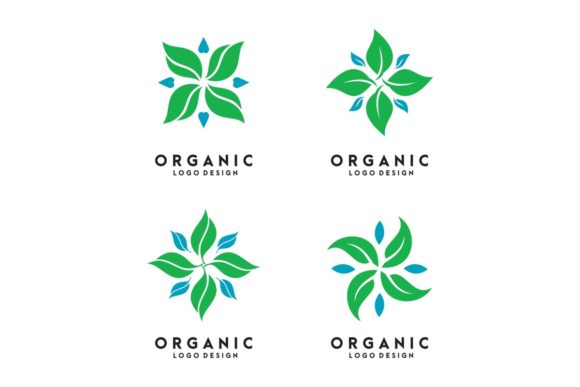
The concept of organic design goes beyond mere aesthetics; it represents a philosophy of growth, sustainability, and health. When we discuss an Organic Logo Design Vector, we are referring to scalable graphic elements—often featuring leaves, flowers, flora, and abstract botanical shapes—that can be manipulated without losing quality. These assets are not just decorative; they are strategic tools used to convey complex ideas about eco-friendliness, medical integrity, and natural beauty in a single glance.
Understanding the Core Characteristics of Organic Visual Identity
To appreciate the value of these design elements, one must first understand what defines them. Unlike geometric logos that rely on rigid lines and mathematical precision, organic designs embrace fluidity and asymmetry. They mimic the irregular, beautiful shapes found in the natural world. Key characteristics include:
- Fluid Lines and Curves: Organic vectors utilize smooth, flowing paths that suggest movement and life, much like a plant growing toward sunlight or water rippling in a stream.
- Natural Color Palettes: While colors can be customized, organic designs often default to greens, earthy browns, soft blues, and vibrant floral hues. These colors evoke feelings of freshness, health, and environmental consciousness.
- Symbolic Imagery: Common motifs include leaf icons, floral flourishes, tree branches, and abstract representations of cells or molecules (for medical contexts). These symbols act as universal signifiers for concepts like bio, ecology, and planet care.
- Scalability: As vector-based graphics, these designs maintain crisp edges at any size, from a tiny favicon to a massive billboard.
When you acquire a package containing an Organic Logo Design Vector, you are typically receiving a comprehensive set of files designed to support this artistic vision. The inclusion of formats such as EPS.10, AI, SVG, and JPG ensures that whether you are working in Adobe Illustrator, CorelDRAW, or Inkscape, you have the necessary tools to bring your vision to life. The JPG preview allows for quick visualization, while the editable vector files provide the flexibility needed for professional customization.
Practical Applications Across Industries
The versatility of organic logo templates means they are not confined to a single niche. Instead, they serve a broad spectrum of industries that prioritize human well-being and environmental stewardship. Understanding these applications helps creators select the right design element for their specific project.
Wellness and Spa Services
In the spa and holistic health industry, the goal is to offer relaxation and rejuvenation. An Organic Logo Design Vector featuring delicate flower petals or soft leaf silhouettes can instantly communicate tranquility. Businesses offering yoga retreats, meditation centers, or essential oil products benefit greatly from using these designs. The aesthetic suggests that the service is gentle, pure, and restorative. For instance, a spa logo might incorporate a stylized lotus flower within a circular frame, symbolizing purity and rebirth.
Environmental and Eco-Friendly Brands
For companies dedicated to sustainability, the visual identity must reflect their core mission. A green energy startup, an organic food retailer, or an ecological consulting firm can use an Organic Logo Design Vector to reinforce their commitment to the planet. Elements like intertwined vines, hand-drawn leaves, or abstract representations of the earth serve as powerful reminders of their dedication to ecology. These designs help consumers identify brands that align with their own values regarding conservation and responsible consumption.
Healthcare and Medical Practices
While traditional medical logos often feature crosses or caduceus symbols, there is a growing trend toward more approachable, patient-centric branding. Modern clinics, alternative medicine practitioners, and pharmaceutical companies focused on natural remedies are increasingly adopting organic styles. A clean, minimalist leaf icon combined with a modern sans-serif font can convey a sense of advanced yet natural healing. This approach reduces the clinical intimidation factor and promotes a feeling of holistic health and wellness.
Cosmetics and Natural Beauty
The beauty industry is heavily influenced by the "clean beauty" movement, where consumers seek products free from harsh chemicals. Brands marketing organic skincare, haircare, or makeup require packaging and logos that scream "natural." Here, the Organic Logo Design Vector serves as a critical component of the brand identity. Floral illustrations and botanical patterns are frequently used to highlight key ingredients derived from plants. The artistic flair of these vectors adds a touch of luxury and sophistication, appealing to customers who view self-care as an art form.
Technical Advantages of Vector-Based Organic Designs
Beyond the aesthetic appeal, the technical specifications of vector files offer significant practical advantages for designers and business owners. When you download a package that includes EPS.10, AI, and SVG formats, you are investing in long-term usability and adaptability.
Editability and Customization: One of the primary benefits of using a vector template is the ability to change text color, adjust line weights, and modify shapes easily. If a client prefers a deeper shade of forest green over a bright lime, the designer can update the color palette in seconds. Similarly, if the business name changes, the text layers in the AI or EPS file can be updated without redrawing the entire graphic. This flexibility saves time and resources, allowing for rapid iteration during the design process.
Resolution Independence: Raster images (like standard JPEGs or PNGs) lose quality when enlarged, resulting in pixelation. Vectors, however, are composed of mathematical equations that define lines and curves. This means an Organic Logo Design Vector can be scaled up to the size of a building facade or down to the size of a mobile app icon without any loss in clarity. This is crucial for brands that need consistent imagery across diverse platforms, from social media avatars to large-format print advertisements.
Compatibility: The inclusion of multiple file formats ensures compatibility with various software ecosystems. Whether a team uses Adobe Creative Cloud, Affinity Designer, or open-source tools like Inkscape, the assets remain usable. The SVG format is particularly valuable for web developers, as it loads quickly and can be animated using CSS or JavaScript, adding dynamic interactivity to websites.
Strategic Considerations for Implementation
While organic logo templates offer a head start in the design process, successful implementation requires thoughtful consideration. Simply dropping a pre-made asset onto a page does not guarantee a cohesive brand identity. Designers must integrate the Organic Logo Design Vector into a broader visual system that includes typography, color theory, and layout principles.
Typography Pairing: The font chosen to accompany an organic logo should complement its style. For a rustic, hand-drawn feel, serif fonts or handwritten scripts work well. For a more modern, clinical look, clean sans-serif fonts create a striking contrast against intricate botanical details. The interplay between the soft curves of the logo and the structure of the text creates visual interest and balance.
Simplicity vs. Complexity: Organic designs can range from simple single-leaf icons to complex, detailed floral arrangements. It is important to choose a level of detail that remains legible at small sizes. Highly intricate flourishes may get lost in a thumbnail image on social media. Therefore, designers often create simplified versions of the original vector for smaller applications, ensuring the brand remains recognizable everywhere.
Color Psychology: While green is the most obvious choice for organic themes, it is not the only option. Earth tones like terracotta, sand, and slate gray can convey stability and grounding. Soft pastels like lavender or mint can suggest calmness and delicacy. Experimenting with color variations allows brands to differentiate themselves while still maintaining the organic essence of the design.
The Future of Organic Branding
As consumer awareness around sustainability and mental health continues to grow, the demand for authentic, nature-inspired branding will likely increase. We are seeing a shift away from sterile, corporate aesthetics toward warmer, more human-centered designs. The Organic Logo Design Vector sits at the intersection of this cultural shift and technological advancement.
Furthermore, the rise of digital-first brands has highlighted the importance of versatile digital assets. Animating organic shapes—such as a blooming flower or a swaying leaf—can add a layer of engagement that static images cannot achieve. With SVG capabilities, designers can create subtle motion effects that bring the logo to life, enhancing user experience on websites and apps.
In conclusion, the Organic Logo Design Vector is more than just a graphic asset; it is a strategic communication tool. By leveraging the inherent qualities of natural forms—fluidity, symbolism, and scalability—brands can effectively convey messages of health, sustainability, and beauty. Whether for a local spa, a global eco-brand, or a personal wellness blog, these vector templates provide the foundation for creating a memorable and meaningful identity. For professionals and hobbyists alike, mastering the use of these assets opens up a world of creative possibilities, allowing for the construction of brands that resonate deeply with the human desire for connection to nature.
By understanding the technical benefits, industry applications, and design principles behind organic logos, creators can move beyond mere decoration to craft identities that stand the test of time. The combination of artistic beauty and functional utility makes vector-based organic design an essential component of modern branding strategies.