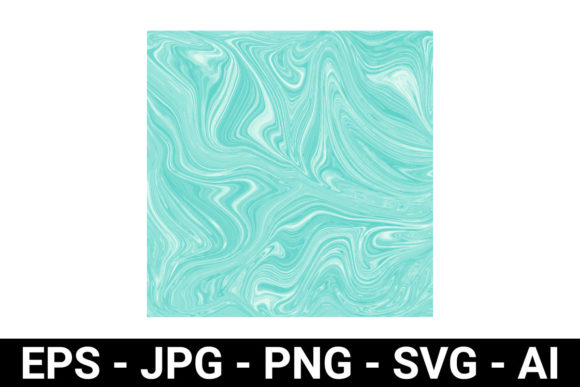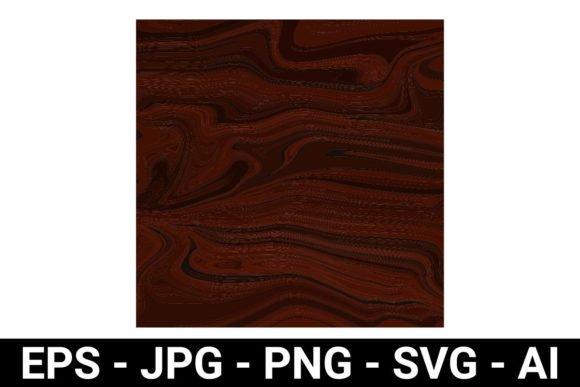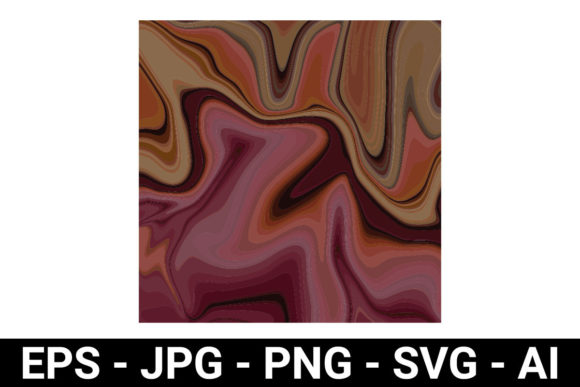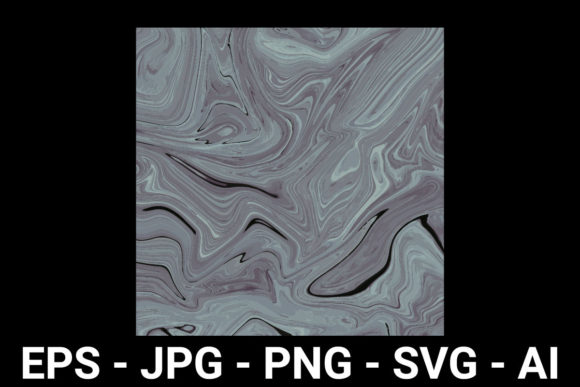
Marble Tile Perfect for Background
When you are looking to elevate the visual impact of a digital project, few textures offer the immediate sophistication and timeless appeal of marble. The concept of a marble tile perfect for background isn't just about using a pretty image; it is about leveraging a versatile design asset that bridges the gap between organic beauty and structured geometry. Whether you are a graphic designer crafting a luxury brand identity, an interior architect visualizing a renovation, or a creative developer building a futuristic interface, this specific type of texture serves as a foundational element that can transform flat layouts into immersive experiences.
The availability of these assets in comprehensive ZIP folders—containing AI, EPS, SVG, JPG, and PNG formats—means that users across different skill levels and software ecosystems can access high-quality resources without friction. This accessibility allows for rapid prototyping and seamless integration into workflows that demand both artistic flair and technical precision. From the fluid swirls of natural stone to the crisp lines of modern ceramic finishes, these backgrounds provide a canvas that feels both grounded and ethereal.
The Intersection of Luxury and Digital Design
In the realm of web design and digital marketing, first impressions are everything. A website or application that utilizes a marbleized backdrop immediately signals quality, exclusivity, and attention to detail. This is particularly true for industries where aesthetics drive consumer decisions. High-end fashion brands, jewelry retailers, and premium real estate agencies often rely on these textures to convey their value proposition before a single word of copy is read.
Consider the psychological effect of gray and white marble tones. They evoke a sense of calm, cleanliness, and modernity. When applied as a full-screen wallpaper or a subtle overlay behind text, they create depth without overwhelming the content. For instance, a cosmetics brand launching a new line of skincare might use a soft, fluid marble pattern to suggest purity and hydration. Conversely, a tech startup aiming for a futuristic aesthetic might opt for darker, more dramatic black and gold marble variations, creating a moody, high-contrast environment that feels cutting-edge and powerful.
The versatility extends beyond static images. With vector formats like SVG and EPS included in these packages, designers can scale these intricate patterns to any resolution without losing clarity. This means a marble tile perfect for background can be used on a mobile app icon just as effectively as it can on a large-format billboard. The ability to manipulate opacity, blend modes, and color overlays in software like Adobe Illustrator or Photoshop allows for endless customization, ensuring that the texture complements rather than competes with the primary message.
Interior Visualization and Architectural Mockups
For architects and interior designers, the practical application of marble textures goes far beyond screen-based graphics. These professionals frequently need to present realistic mockups to clients who may struggle to visualize abstract floor plans. Using high-resolution JPG or PNG versions of marble tiles allows for the creation of photorealistic renderings of bathrooms, kitchens, and lobbies.
The diversity within these collections—ranging from granite-like speckles to smooth, liquid marble effects—enables designers to match specific material palettes accurately. Imagine presenting a proposal for a minimalist bathroom featuring a monochromatic gray theme. By applying a realistic marble texture to the wall and floor layers in a 3D modeling software, the designer can demonstrate how light interacts with the surface, highlighting the natural veins and imperfections that make each piece unique. This level of realism helps clients make confident decisions, reducing the back-and-forth usually associated with material selection.
Furthermore, the inclusion of vector files (AI/EPS) is crucial for print materials. Brochures, business cards, and architectural posters benefit from the crisp edges and scalable nature of vector graphics. A decorative marble pattern can be extracted and used as a watermark or a border element, adding a touch of elegance to printed collateral. The ability to separate the texture from its background in PSD or layered AI files gives designers the freedom to composite these elements into complex scenes, mixing them with other materials like wood, metal, or fabric to create rich, multi-textured environments.
Creative Exploration and Artistic Expression
Beyond commercial applications, the marble tile perfect for background serves as a potent tool for artists and hobbyists engaged in mixed media and digital art. The inherent randomness of natural marbling—the way oil and water interact to create swirling, unpredictable patterns—offers a source of inspiration that is difficult to replicate manually. Artists can use these textures as a base layer, painting over them with acrylics or digital brushes to create abstract compositions that feel both organic and controlled.
The grunge and artistic variations found in many of these packs allow for a more raw, expressive approach. Instead of aiming for pristine perfection, creators can embrace the flaws and irregularities of the stone, using them to add character and narrative to their work. This is particularly effective in album covers, book jackets, and editorial illustrations where a unique visual voice is required.
Social media content creators also find immense value in these assets. In an era dominated by visual storytelling, having a library of high-quality, thematic backgrounds saves time and ensures consistency across platforms. A travel blogger documenting a trip to Italy might use a warm, beige marble texture to evoke the feeling of ancient Roman architecture, while a food critic reviewing a fine dining experience might choose a sleek, black marble backdrop to make colorful dishes pop. The key is matching the mood of the content with the appropriate texture, whether it’s the fluid movement of a wave-like marble or the solid stability of a granite-inspired pattern.
Practical Considerations for Selection and Usage
While the benefits are clear, selecting the right marble texture requires careful consideration of context and contrast. Not all marble patterns are created equal, and some may clash with specific design goals. For example, highly detailed, busy marble veins can distract from text-heavy layouts. In such cases, opting for a lighter, more uniform marble or reducing the opacity of the background layer is essential to maintain readability.
Color harmony is another critical factor. While gray and white are safe, neutral choices, incorporating colored marbles—such as those with blue, green, or red undertones—can inject energy and personality into a design. However, these bolder choices should be used sparingly, perhaps as accent backgrounds or in hero sections, to avoid visual fatigue. It is also important to consider the lighting conditions under which the final design will be viewed. A dark marble background works well in dimly lit environments but may appear muddy on bright screens if not properly adjusted.
Technical compatibility remains a significant advantage of these comprehensive ZIP folders. By providing multiple file formats, users ensure that their workflow remains uninterrupted regardless of the software they prefer. Vector files allow for infinite scalability and easy editing, while raster formats like JPG and PNG offer immediate usability for web and social media projects. This flexibility reduces the learning curve for beginners and enhances efficiency for seasoned professionals.
Conclusion
The marble tile perfect for background represents more than just a decorative element; it is a strategic design tool that enhances communication, elevates aesthetics, and inspires creativity. Whether used to convey luxury in a digital storefront, visualize architectural spaces with realism, or serve as a foundation for abstract art, these textures offer unparalleled versatility. By understanding the nuances of different marble styles and their applications, creators can harness the power of this timeless material to produce work that resonates with audiences on a deeper, more visceral level. The combination of artistic beauty and technical utility makes these assets an indispensable part of any modern designer’s toolkit.